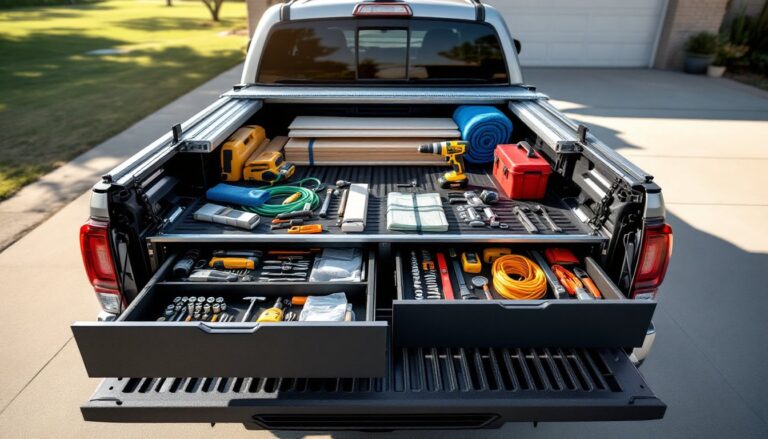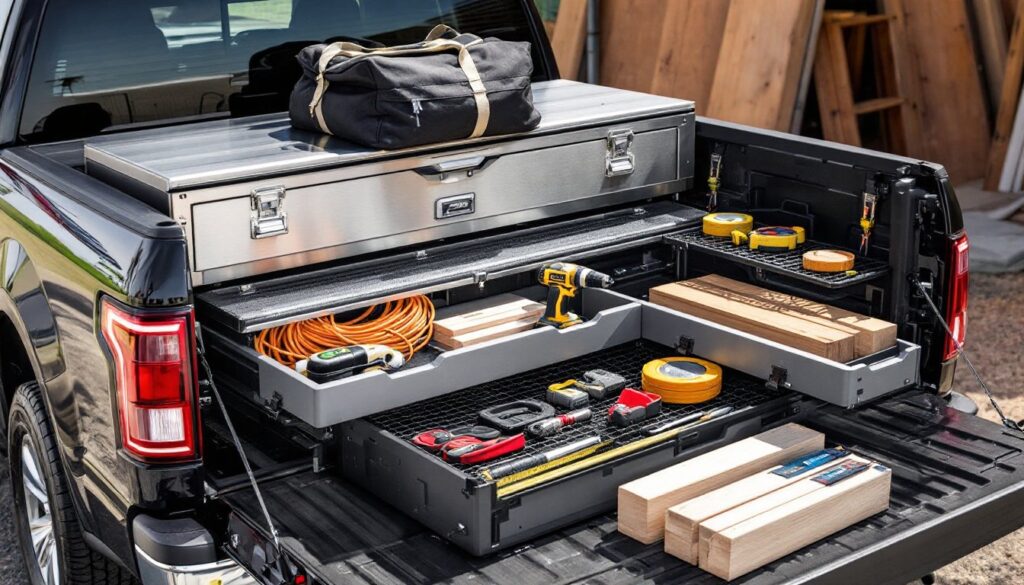
A disorganized truck bed turns every job into a scavenger hunt. Loose tools slide around, hardware spills, and you’re digging through piles to find what you need, usually when you’re already running late. Whether someone’s hauling lumber for a deck build, keeping equipment secure between job sites, or just trying to prevent groceries from turning into a demolition derby, the right storage accessories transform a truck bed from chaos into a functioning workspace. This guide covers the essential truck bed storage solutions that actually work for DIYers and homeowners who use their trucks for real projects.
Table of Contents
ToggleKey Takeaways
- Truck bed storage accessories transform disorganized cargo into a functioning workspace by preventing tools from sliding, reducing theft risk, and protecting expensive equipment from weather damage.
- Crossover toolboxes (60–70 inches wide) are the most popular truck bed storage solution, with aluminum models offering lighter installation and steel options providing superior security against pry attacks.
- Bed dividers and cargo management systems cost $80–$400 and create adjustable compartments to separate materials, while load bars prevent cargo from sliding during braking and protect the truck from damage.
- Drawer systems and sliding platforms ($300–$2,000+) provide organized, easy-access storage ideal for contractors and frequent DIYers, though they reduce usable bed height by 10–18 inches.
- Start with one or two foundational truck bed storage accessories like a crossover toolbox and cargo nets, then expand based on actual usage patterns rather than investing in expensive systems upfront.
- Quality ratchet straps (minimum 500-pound working load limit) and proper tie-down techniques are essential to any storage setup, preventing shifting loads and protecting both tools and the truck bed.
Why Truck Bed Storage Accessories Matter for DIYers and Homeowners
Truck beds are deceptively simple: a big rectangular box with nothing to keep gear in place. That works fine for mulch or drywall, but most home improvement projects involve dozens of smaller items, drill sets, extension cords, safety gear, fasteners, measuring tools, and materials that can’t get wet or damaged.
Without organization, those items slide with every turn, bang against the bed walls, and expose expensive tools to weather and theft. A crossover toolbox might cost $200-$400 depending on size and construction, but it prevents hundreds in tool replacement and eliminates time wasted searching for misplaced equipment.
Storage accessories also protect the truck itself. Cargo sliding around scratches bed liners and dents sidewalls. Proper dividers and tie-down systems distribute loads correctly, which matters when hauling heavy materials like pavers or bags of concrete. For anyone using their truck as a mobile workshop, storage isn’t a luxury, it’s part of the tool kit.
Toolboxes and Storage Chests: Secure Your Valuables
Crossover toolboxes are the most common truck bed accessory for good reason. They mount behind the cab, run the width of the bed, and lock with keyed or combination mechanisms. Most models range from 60 to 70 inches wide and offer 12 to 18 inches of interior depth.
Material matters. Aluminum toolboxes (typically 16-gauge or thicker) resist rust and weigh less than steel, making them easier to install solo. Steel boxes offer better security against pry attacks but require powder coating or weather-resistant finishes to prevent corrosion. Expect to pay $150-$300 for entry-level aluminum, $300-$600 for heavy-duty models with gas struts and weatherproof seals.
Installation requires drilling into the bed rails or using clamp-on brackets. Measure carefully, some truck caps and tonneau covers won’t fit with a crossover box installed. Always verify the box doesn’t interfere with the tailgate in the down position.
Side-mount toolboxes sit along the bed rails, freeing up the area behind the cab. They’re ideal for carrying longer items like ladders or PVC pipe while still securing hand tools. These range from 30 to 48 inches long and typically mount with U-bolts or rail clamps. They work well in tandem with crossover boxes for maximum storage, though weight adds up, don’t exceed your truck’s payload capacity when loading both.
Wheel-well boxes tuck into the bed corners above the tires. They’re smaller (usually 8 to 12 inches deep) but keep essentials accessible without blocking bed space. Great for tow straps, gloves, and first-aid supplies. Most professional sources, including truck bed organizer guides, recommend wheel-well boxes as supplemental storage rather than primary solutions.
Bed Dividers and Cargo Management Systems
Bed dividers create adjustable compartments to keep materials separated. Most systems use aluminum or steel rails that mount to the bed’s tie-down points or stake pockets, with movable panels that slide and lock into position.
A basic two-panel divider system costs $80-$150 and handles light-duty organization, separating bags of mulch from toolboxes, or keeping paint cans away from clean lumber. Heavy-duty versions ($200-$400) include vertical dividers and can support loads up to 500 pounds per section, useful when hauling mixed materials like concrete bags alongside rebar.
Installation is straightforward: most systems bolt directly to existing bed tie-down anchors without drilling. Measure the bed length first, short-bed trucks (5 to 5.5 feet) have fewer mounting options than standard (6.5 feet) or long beds (8 feet).
Cargo bars and load bars work similarly but run horizontally across the bed width. They create a barrier to prevent loads from sliding forward during hard braking. Spring-loaded models require no tools and adjust from 40 to 70 inches, fitting most truck bed widths. They’re rated for different load capacities, 200-pound bars work for lighter cargo, while 1,000-pound+ rated bars handle serious weight.
Cargo nets and bungee systems pair well with dividers for securing irregularly shaped loads. Always use ratchet straps (rated for at least 500 pounds working load limit) for anything heavy or unstable. Bungee cords are fine for tarps and lightweight items but shouldn’t be trusted with tools or building materials.
Drawer Systems and Sliding Platforms for Easy Access
Truck bed drawer systems turn the entire bed into organized storage with pull-out compartments. They’re built for contractors and serious DIYers who need constant tool access without climbing into the bed.
Most drawer systems are modular units that sit on the bed floor, with 2 to 6 drawers of varying depths. Heavy-duty ball-bearing slides allow smooth operation even when loaded with 100+ pounds of gear per drawer. Full-extension slides let drawers pull completely out for easy access to items at the back.
Pricing starts around $800 for basic two-drawer setups and runs to $2,000+ for full-bed systems with weatherproof seals, locking mechanisms, and custom dividers. Installation requires no permanent modifications, most units secure with cleats that tie into bed rail anchors or bolt through the bed floor (drilling required for maximum security).
These systems reduce usable bed height by 10 to 18 inches depending on drawer depth, so measure carefully if hauling tall items regularly. Many designs include a flat top surface that doubles as a work platform or provides space for stacking lumber above the drawers.
Sliding cargo trays offer a simpler alternative. These platforms sit on low-profile rails and slide toward the tailgate for easy loading and unloading. They don’t provide enclosed storage but make reaching gear near the cab much easier, especially on lifted trucks or long beds. Expect to pay $300-$700 depending on length and weight capacity. Many DIYers building custom drawer systems start with project plans from instructables.com to save costs while achieving specific dimensions.
Nets, Bags, and Soft Storage Solutions
Cargo nets cost $20-$60 and prevent lighter items from bouncing out or shifting during transport. Bungee-style nets with hooks attach to bed tie-downs or bed rail anchors. They work well for keeping tarps, extension cords, or bags of insulation in place but aren’t secure storage, anyone can unhook them.
For better security, cargo bags and storage sacks made from heavy-duty vinyl or polyester offer weather resistance and can be locked or strapped down. These range from small tool bags ($15-$40) to large duffels ($50-$100) that hold everything from power tools to camping gear. They’re useful for jobs requiring frequent gear changes, toss the whole bag in the truck without reorganizing a toolbox.
Bed rail storage pockets attach with Velcro or clips along the bed sides. They’re designed for small items like gloves, tape measures, or safety glasses, things that get lost easily in larger storage. Most cost $20-$50 per pair and install in minutes without tools.
Soft storage shines for flexibility. A homeowner doing weekend projects doesn’t need a $1,500 drawer system. A $40 cargo bag and a couple of bungee cords handle occasional hauling just fine. Pair soft storage with a simple crossover toolbox, and most DIY needs are covered without permanent modifications to the truck.
Weatherproofing note: Even “water-resistant” bags aren’t waterproof. Store electronics, power tools, and anything moisture-sensitive in hard cases or toolboxes with sealed lids. Soft storage is best for items that can tolerate dampness.
Choosing the Right Storage Accessories for Your Needs
Start by assessing how the truck gets used. Someone hauling tools to job sites five days a week has different needs than a homeowner who hits the hardware store twice a month.
For occasional DIYers: A single crossover toolbox ($150-$300) plus cargo nets or a couple of wheel-well boxes covers most scenarios. Add a set of ratchet straps for securing larger loads. Total investment: $200-$400.
For frequent project work: Combine a crossover toolbox with bed dividers and a sliding cargo tray. This setup handles mixed loads, tools stay secure up front, materials organize in the bed, and the tray makes accessing gear easier. Budget $600-$1,000.
For contractors or trade work: Full drawer systems or multiple side-mount boxes provide the organization and security needed for daily use. Add locking mechanisms and weather seals. Expect $1,200-$2,500 depending on configuration.
Compatibility considerations: Verify accessories fit the truck bed dimensions (short, standard, or long bed). Check that toolboxes don’t interfere with tonneau covers, bed caps, or fifth-wheel hitches. Measure twice, returning a 300-pound toolbox is a hassle.
Weight matters: Aluminum accessories reduce payload impact, important when hauling heavy materials. A steel drawer system can weigh 200+ pounds before adding tools, cutting into the truck’s rated capacity.
Many homeowners find helpful installation tips and modification ideas through home improvement resources like Family Handyman, which offers practical guidance on truck bed upgrades and tool organization.
Don’t forget tie-downs: Even the best storage accessories need supplemental securing. Invest in quality ratchet straps (minimum 500-pound WLL), and use bed anchor points correctly. Overloading tie-downs or attaching them to weak points can damage the truck and create unsafe hauling conditions.
Conclusion
Truck bed storage isn’t about buying the most expensive system, it’s about matching accessories to actual work. A thoughtfully chosen toolbox and a few dividers beat a disorganized pile every time. Start with one or two key pieces, use them for a few months, then add what’s missing. The right setup turns a truck bed into a functional workspace that saves time, protects tools, and makes every project run smoother.