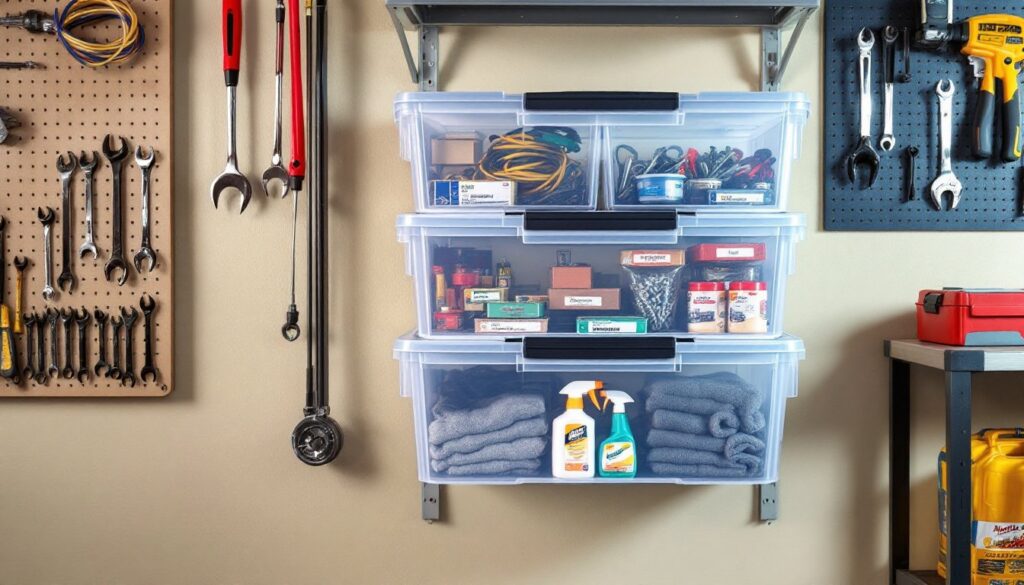
Garage shelves overflowing with mystery boxes. Closets bursting at the seams. Pantries where finding the right ingredient becomes an archaeological dig. Sound familiar? The right storage system doesn’t just hide clutter, it makes everything accessible without tearing apart half the room. Stackable open front storage bins with lids offer a middle ground between sealed tote systems and completely open shelving. They maximize vertical space while letting you grab what you need without unstacking every container above it. This guide breaks down how these bins work, where they shine, and how to choose the right ones for real-world use.
Table of Contents
ToggleKey Takeaways
- Stackable open front storage bins with lids provide convenient front-panel access without requiring full lid removal or unstacking, making them ideal for pantries, closets, and kitchens where grab-and-go accessibility matters.
- These bins maximize vertical space efficiently—a four-bin stack occupies just 2 square feet of floor while providing nearly 8 cubic feet of storage, comparable to a small dresser without the footprint.
- Clear polypropylene or PET plastic bins let you identify contents instantly, reducing duplicate purchases and maintaining organized systems long-term compared to sealed totes or open shelving.
- Choose bins based on material thickness (3-4mm for heavy workshop use, 2mm for lightweight items), hinge quality with metal pins or living hinges, and front opening size that accommodates your actual storage needs.
- For safety, avoid stacking more than 4-6 bins high without shelving support, limit kids’ room stacks to three bins or less, and anchor stacks above 5 feet to walls with L-brackets to prevent tip-over hazards.
- Expandability matters—stick with one manufacturer’s system when growing your stackable storage, as even slight dimension variations between brands prevent stable stacking and create gaps on shelving.
What Are Stackable Open Front Storage Bins with Lids?
Stackable open front storage bins combine features of traditional lidded storage boxes and open-bin shelving. The defining characteristic is a front access panel, typically a hinged flap or removable door, that lets users retrieve contents without lifting off the entire lid or unstacking bins above.
Most models feature interlocking flanges or recessed tops that nest securely when stacked. Unlike standard totes that require full lid removal (and so, clearing everything on top), the front access design maintains stack stability while providing entry. The lid itself usually remains attached or hinged at the back, protecting contents from dust while the front stays accessible.
Common materials include:
- Clear polypropylene or PET plastic: Lets you see contents at a glance. Thickness typically ranges from 2mm to 4mm for residential use.
- Opaque ABS plastic: More durable and UV-resistant for garage or workshop environments.
- Wire or ventilated designs: Less common but useful for items needing airflow (sports equipment, produce).
Standard bin sizes range from small (roughly 12″ × 8″ × 6″) to large (20″ × 15″ × 12″). Weight capacity per bin typically falls between 25 and 50 pounds when properly stacked, though this varies by manufacturer and material gauge. Always check the manufacturer’s stacking limit, most recommend no more than 4-6 bins high without additional shelving support.
Key Benefits of Using Stackable Open Front Bins in Your Home
The hybrid design addresses specific pain points that neither open shelving nor sealed totes fully solve.
Vertical space efficiency: Stacking maximizes storage density in rooms with limited floor space. A four-bin stack occupies roughly 2 square feet of floor but provides nearly 8 cubic feet of storage, comparable to a small dresser without the footprint.
Dust protection with accessibility: Lids keep contents clean between uses, but front access means you don’t sacrifice convenience. This matters in basements, attics, or garages where dust accumulation is constant. Traditional lidded bins require unstacking to access lower layers: open bins collect debris.
Visual inventory management: Clear bins let you identify contents instantly. Many home organization tests by cleaning experts emphasize visibility as a key factor in maintaining organized systems long-term. If you can’t see it, you forget it’s there, and buy duplicates.
Modular scalability: Most systems use uniform dimensions, allowing you to start small and expand as needed. This beats buying a full storage system upfront, especially when testing organization methods in new spaces.
Reduced physical strain: Front access eliminates repetitive lifting. For anyone with mobility concerns or repetitive strain issues, avoiding the lift-unstack-restack cycle makes a real difference in daily use.
One honest limitation: front-access bins generally cost 20-40% more than basic lidded totes of similar size. The convenience premium is real, so prioritize them for high-traffic storage areas and use standard totes for long-term seasonal storage.
Best Rooms and Spaces for Stackable Open Front Storage
These bins excel in specific contexts where the access-protection balance matters most.
Pantry and Kitchen Organization
Pantries benefit from vertical stacking without sacrificing grab-and-go access. Use clear bins for:
- Snack rotation: Stack chips, crackers, and granola bars. Kids and adults can retrieve items from lower bins without toppling the stack.
- Bulk dry goods: Store backup pasta, rice, or canned goods. Front access lets you pull a single can without disturbing the entire shelf.
- Baking supplies: Group flour, sugar, baking soda, and chocolate chips in separate labeled bins. The lids keep ingredients fresh and pest-free, critical in regions with pantry moths or weevils.
For food storage, look for BPA-free, food-safe plastic marked with recycling codes 2 (HDPE), 4 (LDPE), or 5 (PP). Standard bins aren’t airtight, so they work best for packaged goods rather than opened items needing humidity control.
Under-sink storage also works well with smaller bins, though measure carefully, most sink cabinets have plumbing that interrupts vertical stacking. A two-bin stack beside the P-trap can hold cleaning supplies, sponges, and dish soap refills.
Closets and Bedroom Storage
Closet systems traditionally rely on solid shelving or hanging organizers, but stackable bins add flexibility without permanent installation.
Seasonal clothing rotation: Store winter sweaters or summer swimwear in lidded bins during off-season months. When weather changes, access the bin from the front without dismantling your closet.
Shoe organization: Clear front-access bins work especially well for sneaker collectors or households with multiple kids. Label by size or person, stack by season. Many storage bins for home organization feature angled fronts that display shoes like retail shelving.
Small accessories: Scarves, belts, hats, and handbags fit neatly in medium bins. The lids prevent dust buildup on fabric items, while front access beats digging through a drawer.
Kids’ rooms: Toy rotation becomes manageable with stackable bins. Keep current favorites on lower levels: rotate bins monthly to maintain novelty without overwhelming the space. Avoid stacking more than three bins high in kids’ rooms, anything taller risks tip-over hazards. For children under 8, use lightweight bins (under 15 pounds when loaded) to prevent injury if they try pulling bins down themselves.
Bedroom closets with deep shelves (16 inches or more) can fit two rows of bins front-to-back. Place less-used items in the back row, frequently accessed items in the front. This doubles storage density compared to single-row shelving.
How to Choose the Right Stackable Bins for Your Needs
Not all stackable bins suit every situation. Match the design to your actual use case.
Material thickness: For workshop or garage use where bins might hold hardware, tools, or automotive supplies, look for 3-4mm plastic walls. Thinner bins (2mm or less) work fine for linens, toys, or lightweight pantry goods but crack under heavier loads or temperature swings.
Load-bearing design: Check whether the bin’s weight rests on the lid of the bin below or on corner posts. Post-based stacking distributes weight through reinforced corners, allowing higher stacks with heavier contents. Lid-stacking systems limit total weight since plastic lids flex and warp under sustained pressure.
Front opening size: Measure the opening height and width against what you’ll store. A bin with a 4-inch front opening won’t let you pull out a cereal box (typically 12 inches tall) without tilting it. For bulkier items, prioritize bins where the front flap extends at least 60-70% of the bin’s height.
Transparency vs. opacity: Clear bins cost slightly more but reduce time spent labeling and hunting. Opaque bins hide visual clutter, which some prefer for visible storage areas. For workshop storage containing miscellaneous fasteners or small parts, clear bins are non-negotiable, the time saved identifying contents pays for itself quickly.
Latch or hinge quality: Cheap bins use flimsy plastic hinges that snap after a few dozen open-close cycles. Better designs feature metal hinge pins or living hinges (molded as part of the plastic body). Living hinges flex indefinitely if the plastic formulation is right: look for bins labeled as made from polypropylene, which has better fatigue resistance than polystyrene.
Modular sizing: Stick with one manufacturer’s system if you plan to expand. Even seemingly standard dimensions vary by a quarter-inch between brands, which prevents stable stacking or creates gaps on shelving. Many reviewed storage bins use proprietary interlocking systems that won’t mate with competitors’ products.
Ventilation: For damp environments (basements, garages), bins with ventilation slots prevent mildew on fabric contents. Solid bins can trap moisture and create musty odors. Trade-off: ventilated bins offer less dust protection.
Creative Organization Ideas and DIY Projects
Beyond basic stacking, a few modifications and strategies extend functionality.
DIY labeling system: Use a label maker with clear tape for removable labels. Position labels on the front flap and the bin body, this maintains visibility even when the flap is open. For bins stored above eye level, add a second label to the lid’s front edge.
Integrated drawer slides: For deep closets or under-bed storage, mount bins on drawer slides rated for the loaded weight (typically 50-75 pound slides for residential use). This converts stacked bins into pull-out drawers. Secure slides to a plywood base cut to closet width. This requires a drill, level, and basic carpentry skills, not a beginner project, but doable for intermediate DIYers.
Color-coded systems: Assign each family member or storage category a bin color. Kids respond well to visual coding, blue bins for Legos, red bins for art supplies. This works best when you buy bins from a line offering multiple color options in the same size.
Mobile stacking units: Attach a plywood base (3/4-inch thickness minimum) to locking casters rated for the total stack weight. This creates a rolling storage tower useful in workshops, craft rooms, or laundry areas. Use 3-inch casters for clearance over thresholds or uneven floors. Secure bins to the base with L-brackets if mobility means the stack might shift during movement.
Divider inserts: Most bins ship without internal dividers. Cut corrugated plastic sheets (available at hardware stores) to create custom compartments. Score the plastic with a utility knife, then snap along the line for clean edges. This turns a single bin into a multi-compartment organizer for craft supplies, hardware, or office materials.
Safety reminder: When stacking bins above 5 feet, anchor the top bin to the wall with L-brackets, especially in earthquake-prone regions or homes with young children. A fully loaded stack can weigh 100+ pounds, enough to cause serious injury if toppled. Use wall anchors rated for drywall or toggle bolts if you’re not hitting studs.
For high-volume or warehousing storage solutions, consider industrial-grade bins with higher weight ratings and reinforced construction. These cost more but last significantly longer under heavy use.
Temperature considerations: Plastic bins become brittle in freezing temperatures. Don’t store bins in unheated garages or sheds in cold climates if they’ll be handled frequently in winter. The plastic can crack when moving or accessing bins below 40°F. For year-round garage use, look for bins labeled as cold-resistant or made from impact-modified polypropylene.
When organizing any space, measure twice before buying. An extra 15 minutes with a tape measure prevents the frustration of bins that don’t fit your shelves or stack heights that block access to wall switches or vents.