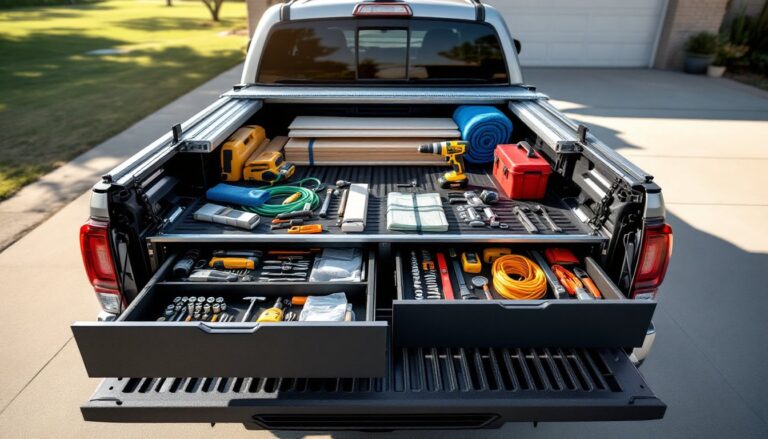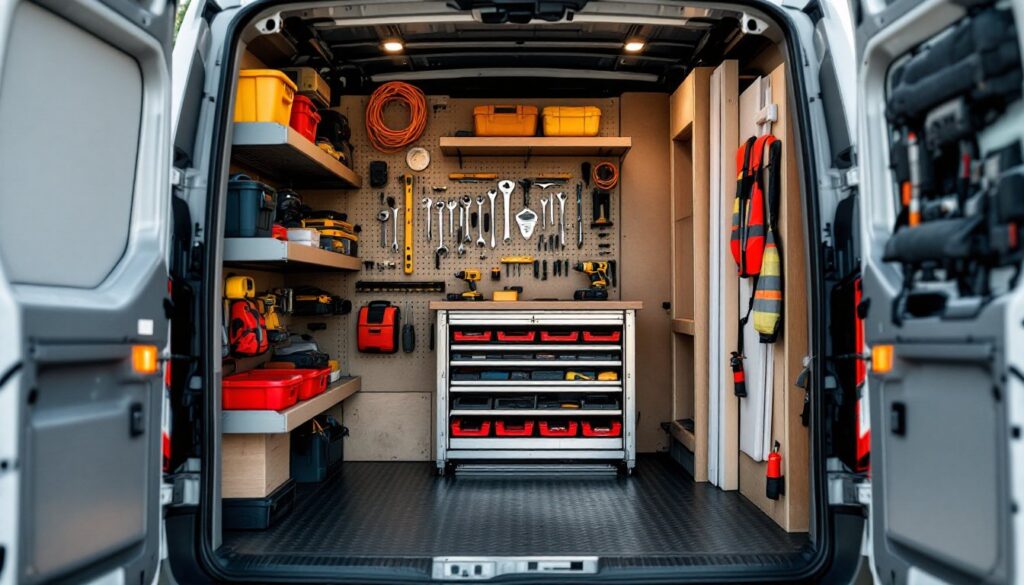
For tradespeople, mobile contractors, and serious DIYers, a cargo van becomes more than transportation, it’s a rolling job site. Without smart storage, tools slide around during transit, critical hardware disappears into dark corners, and every job starts with ten minutes of digging. Proper van tool storage turns chaos into efficiency, protecting expensive equipment while keeping everything accessible. Whether outfitting a full-size work van or a compact cargo hauler, the right combination of shelving, drawers, and organizational systems transforms a vehicle into a legitimate mobile workshop that rivals a stationary garage.
Table of Contents
ToggleKey Takeaways
- Proper van tool storage protects expensive equipment from damage during transit, prevents theft, and creates a professional image that builds client trust and repeat business.
- Wall-mounted shelving, pegboard systems, and drawer units maximize vertical space and improve efficiency by reducing time spent locating tools—often cutting search time from minutes to seconds.
- DIY van tool storage solutions like milk crate shelving, French cleats, and PVC pipe organizers can be built for under $500, compared to $1,500–$5,000 for commercial systems.
- All van tool storage installations must anchor securely to the vehicle’s frame or structural ribs using Grade 5 bolts to prevent tools from becoming dangerous projectiles in accidents.
- Small cargo vans benefit from overhead storage nets, narrow wall shelving, door-mounted pouches, and vertical dividers that maximize limited space while maintaining easy access to frequently used tools.
Why Proper Tool Storage Matters in Your Van
Random tool piles aren’t just annoying, they’re expensive. Unsecured gear shifts during hard braking, damaging precision instruments and creating dangerous projectiles. Chisels dull when they bounce against each other, drill bits snap, and levels lose accuracy. Tools that aren’t visible get forgotten, leading to duplicate purchases or job delays while you drive back home.
Beyond protection, organization directly affects profitability. Contractors who can locate a 3/8-inch bit in fifteen seconds instead of five minutes complete more jobs per day. Systematic storage reduces physical strain, too, no more crouching in a cargo bay, pawing through milk crates.
A well-designed van layout also presents a professional image. Clients notice when a tradesperson opens clean, organized doors versus a jumbled mess. That visual credibility often translates to trust and repeat business. Also, insurance companies sometimes offer lower premiums for secured tool storage, since it reduces theft risk. Most break-ins target vans with visible, loose equipment: locked cabinets and integrated systems deter opportunistic thieves.
Essential Van Tool Storage Systems to Consider
Wall-Mounted Shelving and Pegboard Solutions
Vertical space is a van’s most underutilized asset. Wall-mounted shelving anchored to factory cargo tie-down points or custom-installed E-track provides stable platforms for bins, cases, and power tools. Use ¾-inch plywood or 18-gauge steel shelving rated for at least 50 pounds per shelf, lightweight particle board won’t survive road vibration.
Pegboard systems offer visible, customizable storage for frequently used hand tools. Mount ¼-inch hardboard pegboard or ½-inch metal pegboard to furring strips, creating a ¾-inch gap behind the board so hooks lock properly. Coat hooks with PlastiDip or heat-shrink tubing to prevent rattling during transit. Popular Mechanics highlights that magnetic tool strips work exceptionally well for screwdrivers, wrenches, and blades, keeping them visible without floor clutter.
For maximum stability, attach pegboard to 1×3 or 1×4 furring strips screwed into the van’s structural ribs or through the wall paneling into the metal frame. Never rely on adhesive alone, road vibration will peel it off. Use ¼-20 bolts through the van wall with backing plates on the exterior side, or install rivnuts if drilling isn’t an option.
Drawer Units and Cabinet Systems
Full-extension drawer units solve the visibility problem inherent to bins and boxes. Quality systems use ball-bearing slides rated for 100 pounds or more, locking mechanisms to prevent drawers from opening during travel, and reinforced corners. Brands like Weather Guard, Adrian Steel, and Decked manufacture van-specific drawer units with widths matching standard cargo van dimensions (typically 48 to 60 inches between wheel wells).
Cabinet systems with locking doors protect valuable equipment and contain messes. Install cabinets along the driver-side wall, leaving the passenger side open for long materials like conduit, lumber, or pipe. Use cam locks or rotary latches, they’re vibration-resistant and won’t pop open like simple magnetic catches.
When installing any drawer or cabinet system, distribute weight evenly side-to-side to avoid handling issues. Secure units to the van floor using ¼-inch lag bolts into factory-drilled tie-down locations, or drill through the floor and use backing plates with neoprene washers to prevent rust. Always seal penetrations with polyurethane sealant to keep moisture out.
DIY Van Tool Storage Ideas on a Budget
Commercial van storage systems run $1,500 to $5,000 installed. DIYers can build comparable setups for a fraction of that cost using basic carpentry skills and salvaged materials.
Milk crate shelving is the simplest approach: zip-tie industrial milk crates together in stacked configurations, then secure the entire assembly to E-track or factory tie-downs using ratchet straps. Each crate holds about 30 pounds, and the open design lets you see contents at a glance. Cost: roughly $3–$5 per crate.
French cleat systems provide modular flexibility. Rip 1×4 or 1×6 boards at a 45-degree angle, mount one half to the van wall (angled edge up), and attach the mating piece to tool holders, bins, or custom brackets. Tools hang securely but remove instantly when needed. This approach works well for saws, levels, and battery chargers. Many DIY storage solutions use this method for garage workshops, and the same principle adapts perfectly to vans.
PVC pipe organizers handle long items like levels, conduit, and trim. Cut 3-inch or 4-inch PVC pipe into 6-inch sections, cap one end, and mount them horizontally along the ceiling or high on the wall using U-brackets. Slide items in from the open end. Total material cost: under $20 for a dozen holders.
For drawer units, repurpose old filing cabinets or tool chests. Cut them down to fit van height (most cargo vans have 48 to 52 inches of interior clearance), reinforce corners with L-brackets, and add ball-bearing slides if the originals are worn. Bolt the cabinet to the floor and wall, and you’ve got secure storage for under $100.
Safety note: Any DIY installation must account for crash forces. Unsecured storage becomes a projectile in an accident. Use Grade 5 or better bolts, and always anchor to the vehicle’s frame or structural ribs, not just interior paneling.
Maximizing Space in Small Cargo Vans
Compact vans like the Ford Transit Connect, Ram ProMaster City, and Nissan NV200 offer tight dimensions, often just 48 inches wide between wheel wells and 48 inches of cargo height. Every inch counts.
Start with overhead storage nets or ceiling-mounted racks for bulky, lightweight items: drop cloths, extension cords, and safety gear. Brands like Rage Powersports make adjustable cargo nets that stretch across the ceiling, securing with factory anchor points. Keep weight under 20 pounds to avoid handling issues.
Install narrow shelving (10 to 12 inches deep) along one wall, leaving a center aisle for access. Use the space above the wheel wells for slide-out bins that don’t interfere with van doors. Shallow bins (6 to 8 inches tall) stack more efficiently than deep ones, and you can see contents without digging.
Door-mounted pouches and racks capture dead space. Heavy-duty tool pouches designed for vehicle doors hold cordless drills, impact drivers, and frequently used hand tools. Mount a simple rack system on the inside of the rear doors for clamps, tape, and measuring tools.
For long materials, consider a roof rack with rear ladder access, but check your van’s GVWR (Gross Vehicle Weight Rating) and roof load capacity, typically 200 to 300 pounds for compact vans. Secure loads with ratchet straps rated for at least twice the load weight.
Vertical dividers made from ½-inch plywood create slots for sheet goods, drywall, or plywood. Cut dividers to fit snugly between the floor and ceiling, notching them to clear wheel wells. Secure with L-brackets at the base. This keeps materials upright and prevents warping during transport.
Conclusion
Effective van tool storage isn’t about cramming more stuff in, it’s about smart layouts that protect tools, save time, and keep the workday moving. Whether installing a commercial system or building custom solutions from plywood and PVC, the key is securing everything to the vehicle’s frame and designing for visibility. Spend a weekend organizing now, and every job site visit becomes faster and more profitable.