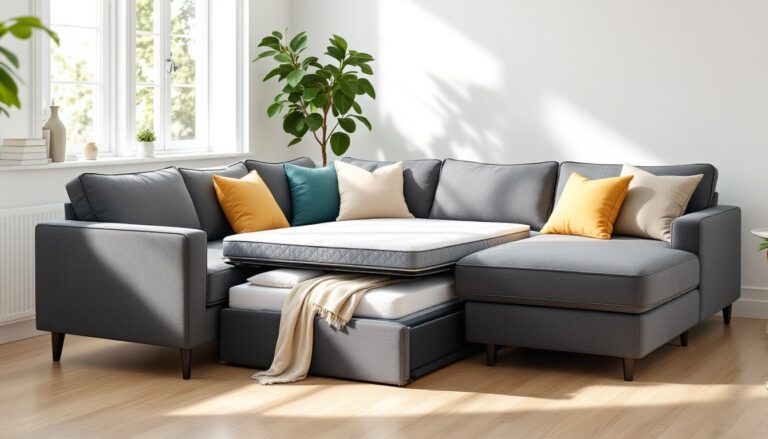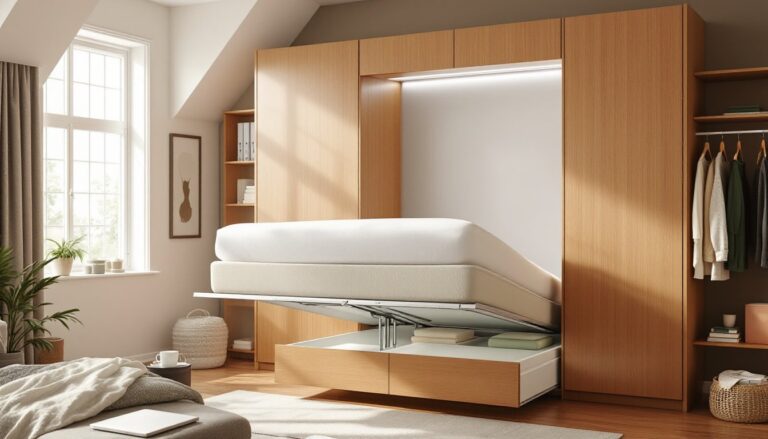
Homeowners lose an average of 55 minutes per day searching for misplaced items, time that could be spent on anything more rewarding than rummaging through junk drawers. The culprit? Poor storage planning. Whether it’s a bedroom overrun with seasonal clothes, a kitchen where countertops have become permanent storage, or a garage stacked so high nothing’s findable, inadequate storage systems create daily frustration. But smart storage isn’t about buying more bins. It’s about building systems that fit how a household actually functions, using every cubic foot of available space. This guide walks through room-by-room solutions that combine practical construction techniques with organizing strategies, helping homeowners reclaim lost space and cut the clutter.
Table of Contents
ToggleKey Takeaways
- Homeowners lose an average of 55 minutes daily searching for misplaced items, a problem that smart HPE storage solutions can eliminate through systematic room-by-room planning.
- Built-in storage and closet organizers significantly increase property value and reduce decision fatigue by giving items designated homes in high-traffic zones.
- Vertical space in bedrooms can be doubled using adjustable shelving, secondary closet rods, and under-bed rolling platforms anchored to wall studs for safety.
- Kitchen storage efficiency improves dramatically by reducing pantry shelf depth to 10–12 inches for single-row visibility and installing pull-out drawer systems that maximize base cabinet accessibility.
- Bathroom and living room storage projects—from medicine cabinet installation to floating shelves—require proper anchoring to studs and load testing to safely support weight and prevent structural failure.
- Garages and basements need ventilated, 16-gauge steel shelving rated for 500–1,000 pounds per shelf, with ceiling-mounted racks installed into joists to prevent moisture damage and maximize overhead space.
Why Smart Storage Solutions Matter for Your Home
Effective storage directly impacts property value, daily efficiency, and mental clarity. Real estate appraisers consistently note that homes with built-in storage, closet organizers, pantry systems, mudroom cubbies, command higher prices than comparable properties without them.
Beyond resale value, well-designed storage reduces decision fatigue. When items have designated homes, household members spend less time hunting and more time doing. This matters most in high-traffic zones: entryways, kitchens, and primary bathrooms.
From a construction standpoint, storage solutions fall into two categories: cosmetic add-ons (shelving units, modular systems) and structural modifications (built-in cabinetry, wall recesses, load-bearing considerations). The former requires basic carpentry skills and weekend time. The latter may need permits, especially if cutting into studs or joists. Check local building codes before opening walls.
Proper planning starts with measuring actual inventory, not guessing. Count shoes, measure cookware stacks, photograph garage tool collections. Storage systems fail when they’re based on aspirational minimalism rather than real-world usage. Build for what’s actually owned, plus 20% growth room.
Bedroom Storage Solutions for Clutter-Free Living
Most bedrooms waste vertical space. Standard builder closets stop at six feet, leaving two to four feet of unused height beneath ceiling joists. Adding a second rod doubles hanging capacity for short items, shirts, folded pants, skirts. Use the upper rod for out-of-season storage.
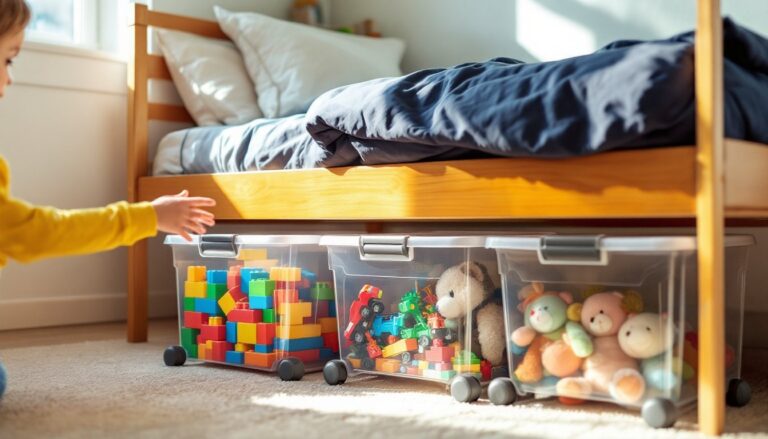
Under-bed storage works when done right. Skip fabric bins that trap moisture and attract dust mites. Instead, build rolling platforms from ¾-inch plywood on locking casters. Dimension them 2 inches shorter than bed height to allow clearance. Seal plywood edges with primer to prevent splintering. These platforms handle off-season bedding, luggage, and archival boxes while remaining accessible.
Closet systems benefit from adjustable shelving. Fixed shelves force awkward stacking: adjustable standards and brackets (spaced every 12–16 inches vertically) adapt as storage needs change. For folded items, shelves should be 12–14 inches deep, deeper causes items to disappear in back, shallower wastes space.
Corner spaces often get ignored. Installing warehousing storage solutions like corner shelving units or lazy-Susan–style carousels captures dead zones. These work especially well in walk-in closets where 90-degree walls create triangular voids.
Warning: If adding heavy built-ins (floor-to-ceiling cabinetry), locate wall studs with a stud finder and anchor to framing, not just drywall. Drywall anchors fail under sustained loads over 50 pounds.
Kitchen Organization Ideas That Maximize Every Inch
Kitchens demand storage that accommodates irregular shapes, mixers, stockpots, baking sheets. Base cabinets lose 40% of their depth to inaccessible back corners. Pull-out shelves and drawer systems solve this. Installing them requires removing existing shelves, mounting full-extension drawer slides to cabinet sides, and building drawer boxes from ½-inch Baltic birch plywood. This isn’t beginner work, but it’s manageable with a table saw and pocket-hole jig.
Pantries get cluttered when shelves are too deep. Standard 16-inch-deep wire shelving forces cans into triple rows where back items vanish. Reduce depth to 10–12 inches for single or double rows with full visibility. Use risers or tiered organizers for smaller jars and spice containers.
Toe-kick drawers capture the 4-inch recessed space beneath base cabinets, normally wasted. These shallow drawers work for baking sheets, cutting boards, and placemats. Installation requires cutting into the toe-kick board and mounting European-style undermount slides. It’s fiddly work but yields 2–3 cubic feet of new storage per kitchen run.
Peg-board or slat-wall systems mounted inside cabinet doors hold lids, measuring cups, and cleaning supplies. Use ¼-inch tempered hardboard pegboard and metal hooks rated for the item weight. According to CNET, smart pantry systems with integrated inventory tracking are gaining traction, though most homeowners will find low-tech solutions equally effective at a fraction of the cost.
Ceiling-mounted pot racks free cabinet space but require blocking. If mounting to drywall ceilings, install between joists using toggle bolts rated for at least 100 pounds combined load. For heavy cast iron, screw directly into joists with lag bolts.
Living Room Storage That Combines Style and Function
Living rooms need storage that doesn’t announce itself. Built-in bookcases flanking a fireplace or window add architectural interest while housing media equipment, books, and display items. Constructing them requires basic framing: build a 2×4 stud frame, sheathe with ½-inch or ⅝-inch drywall, then add face-frame cabinetry using 1×2 or 1×3 poplar trim. Paint-grade MDF works for painted finishes: use hardwood plywood for stained or natural looks.
Ottomans and benches with lift-top storage handle throw blankets, remotes, and games. When building custom seating with storage, hinge the lid with piano hinges (continuous hinges) for even weight distribution and longevity. Add soft-close lid supports to prevent slamming and pinched fingers, critical if kids are around.
Floating shelves maintain clean lines but demand proper installation. For shelves longer than 36 inches, use steel brackets or French cleats screwed into at least two studs. Drywall anchors alone won’t support books or collectibles safely. For heavier loads, consider Carolina Storage Solutions approaches that distribute weight across multiple anchor points.
Media consoles should accommodate cable management. Drill 1½-inch holes in the back panel for cords, and add a ventilated back if housing electronics that generate heat (receivers, gaming consoles). Overheating shortens equipment lifespan and poses fire risk. Insights from Tom’s Guide highlight that smart home hubs now integrate with modular storage units, though traditional setups remain reliable and straightforward.
Bathroom Storage Hacks for Small Spaces
Bathrooms pack maximum function into minimal square footage. Medicine cabinets recessed into stud bays save wall space but require cutting drywall and possibly relocating plumbing or wiring. Standard stud spacing (16 inches on center) limits cabinet width to about 14 inches between studs. Wider cabinets mean cutting a stud, which requires a header for structural support, this crosses into permit territory in many jurisdictions.
Over-toilet shelving units capture vertical space without permanent installation. Freestanding ladder-style or fixed wall-mounted units both work. If wall-mounting, anchor to studs or use heavy-duty toggle bolts. Avoid suction-cup or adhesive-only mounts in humid bathrooms, they fail.
Vanity upgrades yield significant storage gains. Swapping a pedestal sink for a 24-inch or 30-inch vanity cabinet adds drawers and enclosed storage. Installation involves disconnecting supply lines and drain (turn off water first), removing the old sink, leveling and securing the new vanity to wall studs, then reconnecting plumbing. Most homeowners can handle this, but if supply lines are old galvanized steel or if drain configurations don’t align, call a plumber.
Shower niches, recessed shelves in shower walls, are popular but require planning. They must fit between studs and above any waterproofing membrane. Cutting into existing tile is difficult and risks water intrusion. Better to plan niches during initial construction or full bathroom remodels. For existing showers, corner caddies or tension-pole shelves offer simpler, non-invasive options.
Towel storage benefits from hooks over bars. Hooks allow towels to dry faster (more airflow) and take less wall length. Mount them on blocking or directly into studs to handle wet-towel weight.
Garage and Basement Storage Systems for Homeowners
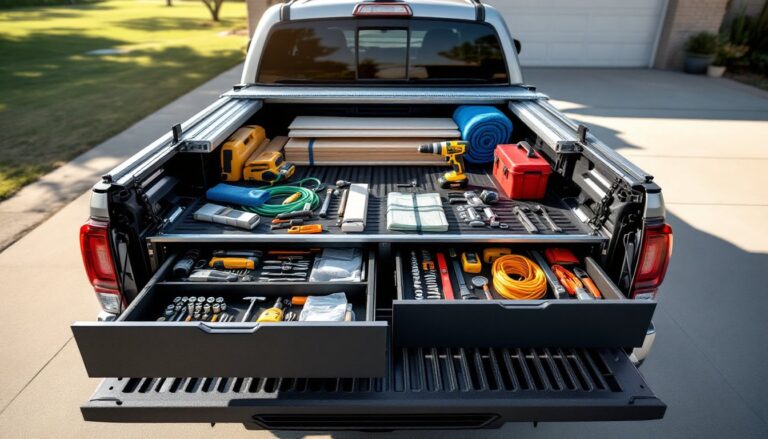
Garages and basements handle the overflow, tools, seasonal gear, bulk supplies. These spaces benefit from robust shelving rated for heavy loads. 16-gauge steel shelving units support 500–1,000 pounds per shelf when evenly distributed, making them ideal for paint cans, power tools, and storage bins. Assemble on level floors: shimming prevents racking.
Ceiling-mounted overhead racks use the space above parked cars. Install these into ceiling joists, not just drywall. Use a stud finder to locate joists (typically 16 or 24 inches on center), then lag-bolt the rack’s mounting brackets directly into wood. Racks typically hold 250–600 pounds, suitable for seasonal decorations, camping gear, and luggage. Avoid storing anything you’ll need frequently, ladders make access tedious.
Slatwall or pegboard systems keep tools visible and accessible. Slatwall panels (grooved PVC or MDF) accept a variety of hooks, baskets, and brackets. Mount panels to studs or over ¾-inch plywood backer for maximum holding strength. Space pegboard ½ inch off the wall using washers or standoffs so hooks can insert fully.
Workbench storage should include both open shelving and enclosed cabinets. Open shelves handle frequently used items: cabinets keep chemicals, finishes, and small parts dust-free and away from kids. Workbench height typically runs 34–36 inches for comfortable standing work. If building from scratch, use 2×4 framing and a ¾-inch plywood or MDF top. Seal MDF edges to prevent swelling from moisture.
Basements prone to dampness need ventilated shelving, wire or slatted wood, to prevent mold on stored items. Avoid cardboard boxes: use plastic bins with gasketed lids. According to Digital Trends, smart sensor systems now monitor basement humidity and alert homeowners before moisture damages belongings, though a $15 analog hygrometer works nearly as well for most situations.
Conclusion
Home storage isn’t one-size-fits-all. Effective systems reflect actual household rhythms, spatial constraints, and the willingness to drill into studs. The projects outlined here range from simple shelf installs to moderate carpentry, with clear flags where professional help or permits enter the picture. Tackle storage methodically, one room at a time, and measure twice. The payoff is reclaimed space, less daily friction, and a home that finally has room to breathe.