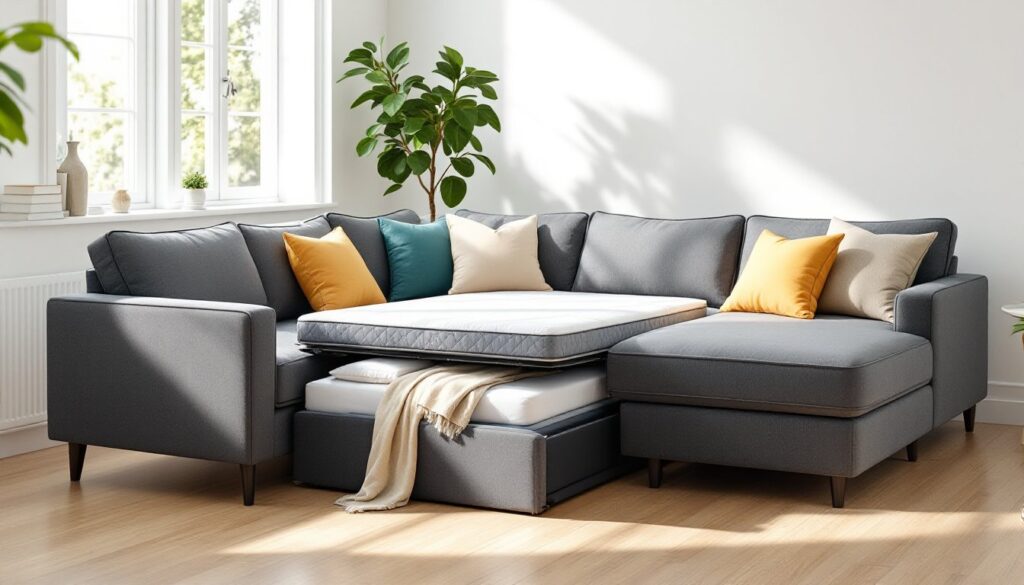
Small homes demand smart furniture, and a sleeper sofa with storage chaise checks every box. It’s a triple-threat piece: daytime seating, overnight guest bed, and built-in storage for blankets, pillows, or off-season clutter. For homeowners juggling limited square footage, this isn’t lifestyle fluff, it’s a practical solution that eliminates the need for a dedicated guest room and extra storage furniture. Whether outfitting a studio apartment or maximizing a multipurpose den, this hybrid piece delivers function without sacrificing comfort.
Table of Contents
ToggleKey Takeaways
- A sleeper sofa with storage chaise combines three essential functions—daytime seating, a pull-out bed, and built-in storage—into a single piece that reduces footprint from 150–200 square feet to just 50–70 square feet for small spaces.
- Choosing a quality sleeper sofa with storage chaise typically costs $900–$1,800 versus $1,400–$2,100 for buying a sofa, guest bed, and storage bench separately, delivering significant savings for budget-conscious homeowners.
- Mattress quality directly impacts guest comfort; mid-tier models with 4–5-inch memory foam or innerspring mattresses with quilted toppers outperform budget options and support weekend visits better than overnight stays alone.
- Storage accessibility matters for daily use—lift-top chaises with soft-close hinges and pull-out drawer models with ball-bearing glides offer easier access than shallow designs that barely accommodate folded blankets.
- Proper maintenance including weekly vacuuming, six-month mechanism inspections, and rotating cushions every 3–4 months extends the lifespan of a sleeper sofa with storage chaise from 5 years of neglect to 10–15 years of reliable use.
- Room dimensions require at least 36–42 inches of clearance in front for the pull-out mechanism to deploy fully, and 32-inch minimum doorway width for delivery, making layout planning essential before purchase.
What Is a Sleeper Sofa with Storage Chaise?
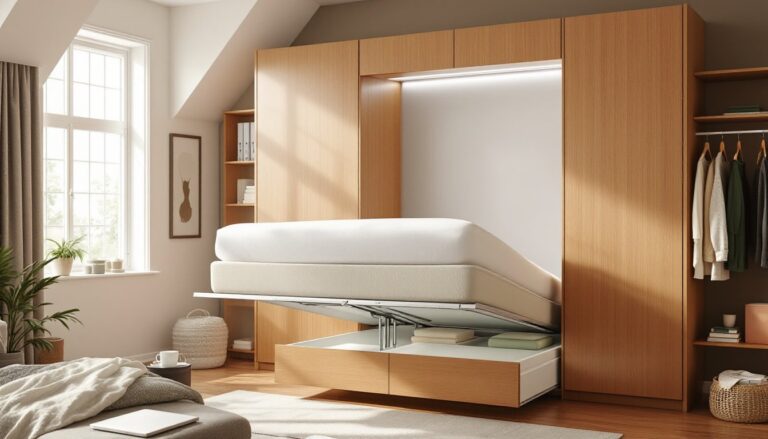
A sleeper sofa with storage chaise combines three functions in one frame: a traditional sofa, a pull-out bed, and a lift-top or pull-out storage compartment integrated into the chaise section. The chaise, the extended lounge portion attached to the main sofa, typically houses a hinged lid or slide-out drawer beneath its cushions.
Most models use a click-clack or pull-out mechanism for the bed portion. Click-clack frames fold flat like a futon: pull-out models slide the mattress forward on a metal or wood rail system. The storage chaise usually sits on one end (left or right configuration), though some reversible designs let the buyer choose orientation during assembly.
Standard dimensions run 80–90 inches wide for the full sectional (including chaise), with chaise storage volumes ranging from 3–8 cubic feet, enough for four bed pillows, a throw blanket, and a few board games. Frame materials vary: kiln-dried hardwood (maple, oak) for high-end models, engineered wood or plywood for mid-range, and particleboard for budget builds. Upholstery spans linen, polyester blends, microfiber, and top-grain leather, each with different durability and stain-resistance profiles.
Why Choose a Sleeper Sofa with Storage Chaise for Your Home
The primary advantage is floor-plan efficiency. A standalone sofa, guest bed, and storage ottoman occupy roughly 150–200 square feet combined. A sleeper sofa with storage chaise collapses that footprint to about 50–70 square feet, freeing up room for a desk, dining table, or play area.
Guest accommodations become drop-in ready. No inflatable mattress to hunt for in the garage, no scrambling for linens. Everything stores inside the chaise, sheets, pillows, a spare blanket, so the conversion from living room to guest room takes under five minutes.
For renters and first-time homeowners, this piece sidesteps the “guest room problem.” Instead of dedicating an entire bedroom to visitors who show up twice a year, the space serves daily as a home office, yoga studio, or playroom. When guests arrive, the sofa deploys a twin- or full-size sleeping surface (depending on model), and the chaise storage holds all the bedding.
Cost savings add up. Buying a quality sofa ($800–$1,200), a fold-out guest bed ($400–$600), and a storage bench ($200–$300) separately runs $1,400–$2,100. A combined sleeper sofa with storage chaise typically costs $900–$1,800, depending on frame quality and upholstery grade. Regional pricing varies, coastal metro areas skew 15–20% higher, but the consolidation still beats piecemeal purchases.
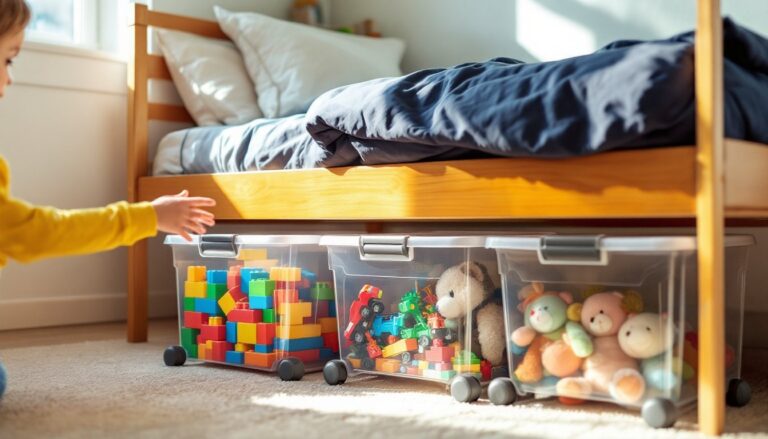
Finally, it’s a hedge against clutter creep. The built-in storage encourages intentional organization. Throw pillows, remotes, kids’ toys, and pet supplies have a designated home, reducing visual chaos in high-traffic rooms.
Key Features to Look for When Shopping
Not all sleeper sofas with storage chaises are built the same. Frame construction, mattress thickness, and storage access methods separate daily-use workhorses from pieces that sag or jam within a year.
Storage Capacity and Accessibility
Lift-top chaises use gas pistons or spring-loaded hinges to raise the cushion, exposing a storage well underneath. Look for models with soft-close hinges to prevent finger pinches and frame damage. Measure the interior dimensions, some chaises advertise “storage” but offer only a shallow 12-inch-deep well that barely fits a folded blanket.
Pull-out drawer chaises slide out on metal glides (ball-bearing or roller tracks). Ball-bearing glides handle heavier loads and resist binding better than basic roller tracks. Check the weight rating, quality drawers support 50–75 pounds, enough for bedding, books, or photo albums.
Accessibility matters if the storage will see daily use. Lift-top designs require removing decorative pillows first: pull-out drawers let users grab items without disturbing the seating area. For households with kids or pets, lift-top models with locking hinges prevent curious hands or paws from getting trapped.
Some reversible models let the chaise attach to either the left or right side, which helps adapt to room layouts with doorways, windows, or built-ins on one wall. Confirm whether “reversible” means field-reversible (you can swap it yourself with basic tools) or factory-set (requires ordering a specific left- or right-facing SKU).
Mattress Quality and Sleeping Comfort
The mattress determines whether guests sleep well or wake up with lower-back pain. Budget sleeper sofas often use 3-inch polyfoam mattresses, fine for a single overnight stay, rough for a weekend visit. Mid-tier models upgrade to 4–5-inch memory foam or innerspring mattresses with quilted toppers.
Innerspring mattresses breathe better (important for warm sleepers) but add weight, making the pull-out mechanism harder to operate. Memory foam mattresses sleep hot unless the manufacturer uses gel-infused or open-cell foam, which improves airflow. Some higher-end models offer air-coil hybrid mattresses, individually wrapped coils with a foam comfort layer, that balance support and temperature regulation.
Mattress dimensions follow standard sizing, but confirm the sleep surface length. Some compact sleeper sofas max out at 72 inches long (6 feet), which cramps taller guests. Full-size sleep surfaces run 75–80 inches, matching a standard twin or full bed.
Test the deployment mechanism in-store if possible. Pull-out frames should glide smoothly without binding or requiring two people. Click-clack models should lock firmly in the flat position, wobbly mechanisms lead to sagging and frame failure within a year or two.
Upholstery durability ties directly to use frequency. Wyzenbeek ratings (the standard abrasion test for upholstery fabrics) indicate lifespan:
- 15,000–20,000 double rubs: Light residential use (guest room, formal living room)
- 25,000–30,000 double rubs: Moderate use (family room, den)
- 30,000+ double rubs: Heavy use (daily lounging, homes with pets)
Leather and faux leather resist spills and pet hair but show wear along seams and high-contact areas. Performance fabrics (polyester blends treated with stain repellents) handle kids and pets better but may pill over time.
Best Rooms and Layouts for a Sleeper Sofa with Storage Chaise
Studio apartments are the natural habitat for this piece. Position the chaise against a wall with windows to maintain natural light flow. Keep 36–42 inches of clearance in front of the sofa for the pull-out mechanism to deploy fully, less than that, and guests will need to shove the coffee table out of the way every night.
Home offices doubling as guest rooms benefit from the chaise’s storage for office supplies or archived files. Place the sofa perpendicular to the desk, using the chaise as a visual room divider between work and sleep zones. This layout works in 10×12-foot or larger rooms: anything smaller feels cramped once the bed extends.
Bonus rooms and finished basements often lack closets, making built-in storage essential. The chaise can hold seasonal decor, extra linens, or kids’ toys. Ensure the basement has proper moisture control, relative humidity above 60% encourages mold on fabric and wood frames. Use a dehumidifier and avoid placing the sofa directly against exterior foundation walls.
Living rooms in open-plan layouts can use the chaise to anchor the seating area. Orient the chaise toward a secondary focal point (a window with a view, a bookshelf wall) rather than the TV, which helps define separate zones for lounging and entertainment. Resources like HGTV and Apartment Therapy showcase open-plan layouts using sectionals as room dividers.
Avoid tight hallways or rooms with narrow doorways. Most sleeper sofas with storage chaises ship in two or three boxes (sofa section, chaise section, legs and hardware), but assembled dimensions still require 32-inch minimum doorway width to maneuver into place. Measure doorways, stairwells, and hallway turns before ordering.
For smaller rooms, choose a left- or right-facing chaise based on traffic flow. If the main entry sits on the left wall, a right-facing chaise keeps the pathway clear. Floating the sofa away from walls creates walkable space behind it but requires at least 14 feet of room width to avoid a cramped feel.
Maintenance and Care Tips to Extend Lifespan
Vacuum upholstery weekly using a brush attachment to prevent dust and pet hair from embedding in fibers. For fabric upholstery, treat spills immediately with a pH-neutral cleaner, acidic or alkaline cleaners can discolor dyes or weaken fabric backing. Blot, don’t rub: rubbing spreads the stain and damages fibers.
Leather and faux leather need conditioning every 6–12 months to prevent cracking. Use a product formulated for the specific material, bonded leather and PU leather require different treatments than top-grain leather. Avoid placing leather sofas in direct sunlight: UV exposure fades color and dries out the material.
Rotate cushions every 3–4 months to even out wear. Flip reversible cushions and swap seat positions (left seat cushion to right, right to center). This extends cushion life by 30–40% compared to leaving them in fixed positions.
Inspect the sleeper mechanism every six months. Spray metal rails and hinges with a silicone-based lubricant (not WD-40, which attracts dust). Check for bent bars, loose bolts, or frayed fabric along the mattress platform. Tighten hardware with a hex key or socket wrench, most frames use 10mm or 12mm bolts.
Clean the storage chaise interior twice a year. Remove stored items, vacuum out dust and debris, and wipe surfaces with a damp microfiber cloth. This prevents mustiness and keeps fabric fresh, especially if storing bedding or pillows.
For homes with pets, use a washable furniture cover or pet-safe throw blanket on high-contact areas. Pet claws snag fabric and scratch leather: a protective layer absorbs the damage and launders easily. Train pets to use pet stairs or ramps instead of jumping directly onto the chaise, repeated impacts stress the frame and storage hinges.
If the mattress develops odors, sprinkle baking soda over the surface, let it sit for 30 minutes, then vacuum thoroughly. For memory foam mattresses, air them out by deploying the bed and leaving it extended for a few hours with windows open, this releases trapped moisture and prevents mildew.
Address frame squeaks immediately. Squeaking usually indicates loose joints or worn-out fasteners. Disassemble the affected section, apply wood glue to loose dowels or joints, and reinforce with corner braces if needed. Ignoring squeaks leads to joint failure and costly repairs.
Finally, follow weight limits. Most sleeper sofas with storage chaises support 300–350 pounds per seat and 400–500 pounds for the sleep surface. Exceeding these limits stresses the frame, bends support bars, and voids most warranties. Models like the Acme Hiltons sleeper sectional list specific weight capacities in product specs, check before purchasing if household members exceed average weights.
Proper care turns a $1,200 investment into a 10–15-year workhorse. Neglect it, and even premium frames fail within five years.