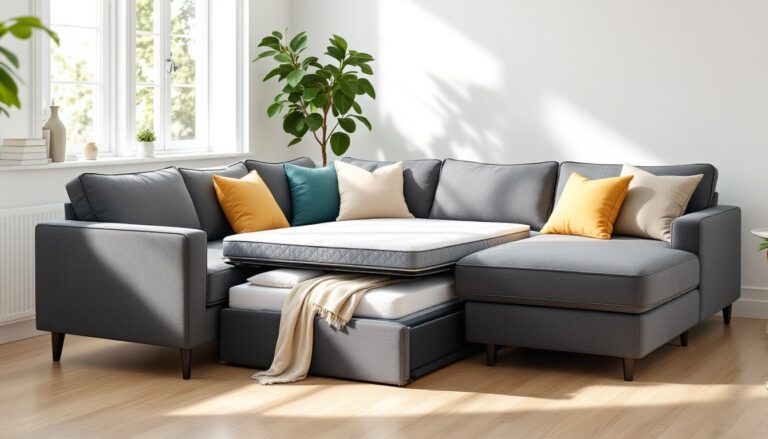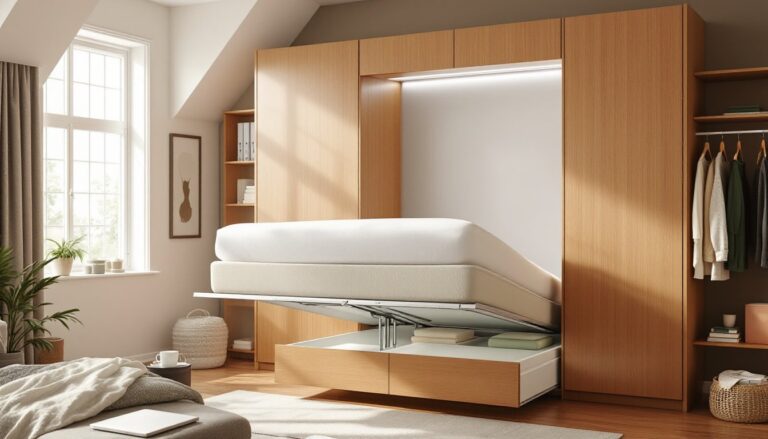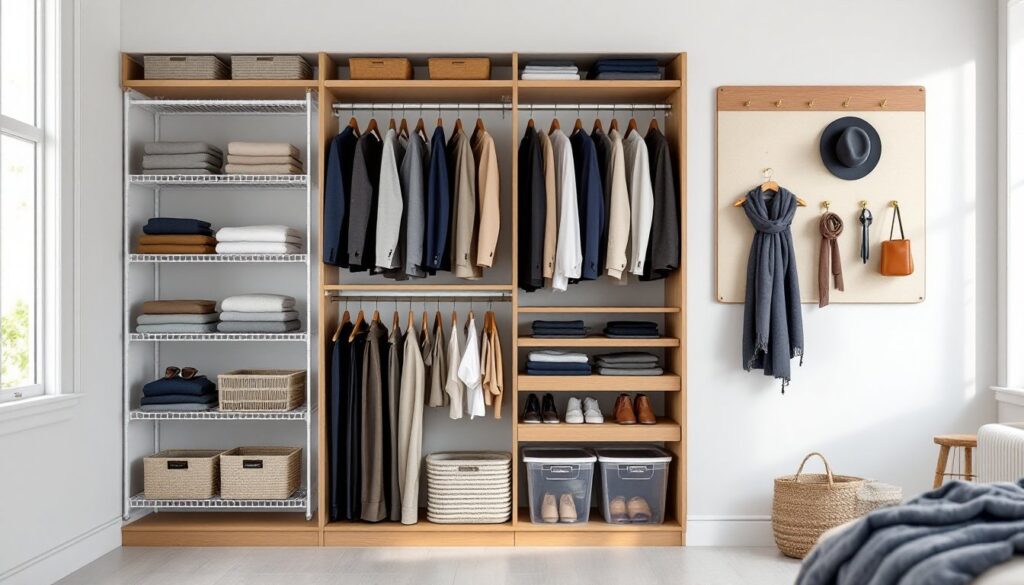
Small closets aren’t just frustrating, they’re space and money lost to disorganization. Whether you’re in a studio apartment, a historic home with minimal built-ins, or a bedroom with a reach-in closet barely wider than your wingspan, poor clothes storage means wrinkled shirts, lost accessories, and wasted square footage. The good news? Strategic storage upgrades don’t require knocking down walls or expensive custom cabinetry. With the right combination of vertical systems, hidden zones, and smart hardware, even a 3×5-foot closet can hold a full seasonal wardrobe without the chaos. These 15 solutions focus on practical builds and proven products that work in tight quarters.
Table of Contents
ToggleKey Takeaways
- Double-hang closet rods and vertical shelving systems can effectively double storage capacity without expanding the footprint, reclaiming wasted upper zones and lower corners in small spaces.
- Small space clothes storage improves daily routines and reduces decision fatigue—switching to slimline hangers alone can free up 30–40% more rod space for the same wardrobe.
- Seasonal rotation with under-bed storage bins, vacuum-sealed bags, and high closet shelves keeps off-season items accessible while maximizing prime closet real estate.
- Multi-functional furniture like storage beds with built-in drawers and freestanding wardrobes eliminate the need for separate dressers and reduce the overall footprint required in compact bedrooms.
- DIY projects like pegboard walls, PVC pipe shoe racks, and adjustable shelf standards deliver professional-grade organization at a fraction of the cost of custom cabinetry.
- Using hidden storage solutions such as storage ottomans, over-the-door organizers, and cascading hangers allows you to maximize every square inch without sacrificing decor or functionality.
Why Smart Clothes Storage Matters in Compact Living Spaces
In compact homes, every square foot carries weight. A poorly organized closet doesn’t just hide clutter, it creates real problems. Clothes piled on chairs or shoved into overstuffed drawers wrinkle faster, wear out sooner, and make getting dressed feel like an archaeological dig.
Space efficiency translates directly to usability. The average reach-in closet measures 24 inches deep by 48–72 inches wide, offering roughly 8–12 linear feet of hanging space. Without intentional organization, most homeowners use less than 60% of that capacity, leaving vertical zones and awkward corners completely wasted.
Beyond the practical, there’s a mental load. Studies on home organization consistently show that cluttered spaces increase stress and decision fatigue. When your wardrobe’s a mess, you waste time every morning and avoid the clothes you actually own. Smart storage isn’t about perfection, it’s about building systems that make daily routines smoother and protect the investment you’ve made in your clothing.
Vertical Storage Solutions That Double Your Space
Most closets waste the upper two feet and everything below the 40-inch mark. Vertical storage reclaims that dead zone and effectively doubles capacity without expanding the footprint.
Double-hang closet rods are the simplest high-impact upgrade. Install a second rod 40–42 inches below the original (which should sit at 72–80 inches). This setup works perfectly for shirts, blouses, folded pants, and skirts. Use the upper rod for out-of-season items or less-worn pieces. Standard closet rods are 1-5/16-inch diameter steel or aluminum: confirm your wall brackets support the combined weight, figure roughly 2–3 pounds per hanging garment.
Stackable shelving units and modular cubbies maximize vertical real estate for folded clothes, shoes, and accessories. Wire or laminate units from 60–84 inches tall fit most standard closets. Anchor tall units to the wall with L-brackets and drywall anchors rated for at least 50 pounds to prevent tip-over hazards, especially in earthquake-prone regions or homes with kids.
Over-the-door organizers add instant storage for accessories, shoes, or smaller garments. Heavy-duty canvas or metal versions hook over standard 1-3/8-inch interior doors and hold 20–30 pounds when mounted properly. These work well in small apartments needing flexible solutions.
Hooks and pegboards on empty wall sections or inside closet doors create landing zones for bags, belts, hats, and tomorrow’s outfit. Industrial pegboard (1/4-inch tempered hardboard) mounts to studs or plywood backing and accepts standard pegs and hooks. Safety note: Always wear eye protection when drilling into walls, hidden electrical or plumbing runs are common behind closet walls, especially in older homes.
Under-Bed and Hidden Storage Ideas for Seasonal Clothes
Seasonal rotation is essential in small spaces. Winter coats and heavy sweaters don’t need prime closet real estate in July. Under-bed zones and other hidden spots keep off-season items accessible but out of the way.
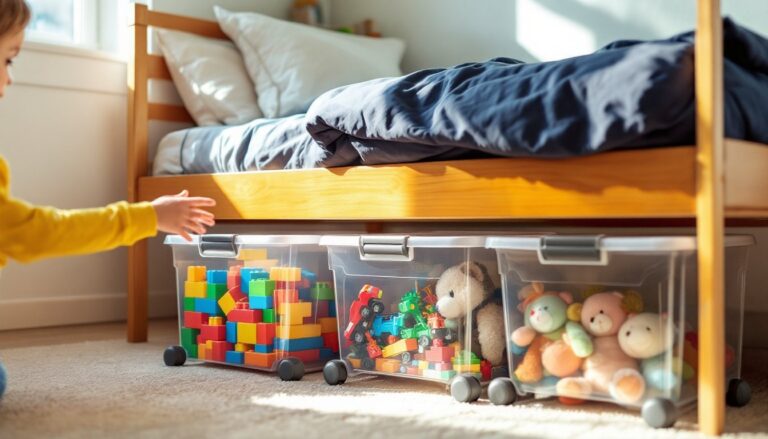
Under-bed storage bins are the workhorses here. Look for low-profile boxes (5–8 inches tall) with wheels or built-in handles. Clear plastic models make it easy to identify contents: fabric-covered versions blend better with bedroom decor. Standard twin and full beds offer roughly 10–15 cubic feet of under-bed space: measure your bed’s clearance before buying. Beds with a 12-inch clearance or more accommodate larger rolling bins.
Vacuum-sealed bags compress bulky items like comforters, coats, and sweaters by up to 75%, fitting more into the same footprint. Use a standard household vacuum or a dedicated pump. Important: Don’t over-compress natural fibers like wool or down for extended periods, it can damage structure and loft. Limit compression to synthetic fills and cotton blends, and rotate stored items annually.
Storage ottomans and benches at the foot of the bed or in an entryway double as seating and hidden storage. Many DIY builds use 3/4-inch plywood or MDF for the frame, upholstered foam on top, and piano hinges for the lid. A 48-inch bench offers 6–8 cubic feet of interior space, enough for several sweaters or a full set of seasonal bedding. For structural projects involving cuts and hardware, experts at home design communities recommend pre-drilling hinge holes to avoid splitting the wood.
High shelves and top-of-closet zones store archival boxes, luggage stuffed with off-season clothes, or bins labeled by season. Install a fixed shelf 12–16 inches below the ceiling using shelf standards and brackets rated for 50+ pounds per foot. Keep heavy items on lower shelves and lighter, infrequently accessed gear up top.
Multi-Functional Furniture for Clothing Organization
When floor space is tight, furniture that pulls double or triple duty keeps the room functional without feeling like a storage locker.
Storage beds with built-in drawers replace both a bed frame and a dresser. Platform beds with drawers on tracks (side-mount or undermount glides) typically offer 4–6 drawers, each holding 1.5–2 cubic feet. Captain’s beds with full under-bed drawer systems work especially well in kids’ rooms or guest bedrooms. When shopping, check the drawer box construction, dovetail or dowel joints hold up better than stapled particleboard.
Wardrobe cabinets and armoires add hanging and shelving space where built-in closets don’t exist. Freestanding wardrobes range from 36–60 inches wide and 72–84 inches tall. A 48-inch wardrobe typically provides 40 inches of hanging space plus 2–4 shelves. Pro tip: Anchor tall furniture to wall studs with anti-tip brackets, this is required by modern safety standards (ASTM F2057) and critical in homes with children or pets.
Ladder shelves and clothing racks lean against walls and hold both hanging garments and folded stacks. Open garment racks work in loft-style spaces or bedrooms where a closet door is broken or missing. Commercial-grade rolling racks support 100–200 pounds on a 48-inch bar: residential versions are lighter but adequate for everyday use. Pair with matching bins on lower rungs for shoes or accessories.
Modular drawer units on casters slide under desks, into closets, or beside dressers. IKEA’s modular systems are popular starting points for creative storage hacks, often modified with custom drawer dividers, paint, or swapped hardware. Rolling carts with locking casters prevent unwanted movement on tile or hardwood.
Space-Saving Hangers and Closet Rod Hacks
Hangers and closet rods seem like minor details, but the wrong choice wastes inches and damages clothes. The right hardware squeezes more into every linear foot.
Slimline hangers (also called velvet or flocked hangers) measure roughly 1/4-inch thick versus 1/2-inch for standard plastic. Switching to slimline versions can free up 30–40% more rod space in a typical closet. The textured surface grips fabric and prevents slipping, which is especially helpful for silky blouses or wide-neck tops. A pack of 50 runs $15–$25, and the payoff in reclaimed space is immediate.
Cascading hooks and tiered hangers let you hang multiple garments vertically on a single hook point. A 5-tier hanger holds five pairs of pants or skirts in the vertical space of one. These work well for pants, scarves, or tank tops but add weight, confirm your closet rod brackets are screwed into studs or blocking, not just drywall.
S-hooks and chain hangers create adjustable drop points from the main rod. Attach a short length of lightweight chain to the rod, then hang garments from S-hooks at different heights. This trick works especially well for kids’ closets or accessible storage in reach-ins.
Closet rod doublers and extenders add a second hanging level without permanent installation. Adjustable models clamp or hang from the existing rod and drop a second bar 12–20 inches below. These are ideal for renters or anyone avoiding wall modifications. When choosing hardware, match the rod diameter to standard closet flanges (1-5/16 inches for most residential rods). Upgrading to a heavy-duty oval rod increases load capacity if you’re maxing out weight limits.
DIY Storage Projects for Tight Spaces on a Budget
Custom storage doesn’t require a contractor or a four-figure budget. A few straightforward builds deliver big results in small bedrooms and closets.
DIY closet shelving with melamine or plywood costs a fraction of prefab systems. Cut 3/4-inch melamine-coated particleboard or birch plywood to width (12–16 inches deep for most closets) and mount on adjustable shelf standards screwed into studs. Shelf standards are sold in 48–96-inch lengths at hardware stores for $8–$15 per pair: brackets clip in at any height. Pre-drill all screw holes and use a level, shelves sagging out of plane look sloppy and stress the hardware. For long spans (over 36 inches), add a center support or use thicker 1-inch plywood to prevent bowing under load.
Pegboard walls for accessories transform a narrow closet sidewall or bedroom corner into organized jewelry, hat, and bag storage. Cut 1/4-inch pegboard to fit, then mount it on 1×2 furring strips to create the necessary air gap behind the board (pegs won’t insert without it). Paint the pegboard to match your room, then arrange pegs, baskets, and hooks as needed. Total material cost for a 4×4-foot section runs $20–$30. Wear a dust mask when cutting pegboard, it’s made from compressed wood fibers that create fine particulate.
PVC pipe shoe racks are cheap, customizable, and surprisingly sturdy. Cut 3-inch or 4-inch PVC pipe into 12–14-inch lengths using a hacksaw or PVC cutter (under $10 at any hardware store). Stack and glue the segments with PVC cement to form cubbies sized for sneakers or boots. A 10-foot length of 4-inch PVC costs roughly $12 and yields 8–10 cubbies. Sand cut edges smooth with 80-grit sandpaper to avoid snagging shoe fabric. This system works great on closet floors or under hanging clothes where vertical space is wasted.
Fabric drawer dividers from cardboard and scrap fabric organize socks, underwear, and accessories without spending $30 on store-bought organizers. Cut corrugated cardboard to fit drawer dimensions, then wrap sections in fabric scraps secured with hot glue or double-sided tape. Arrange dividers in a grid inside the drawer. The method is detailed in many home organization guides and takes about 20 minutes per drawer.
Tension rod stacking inside deep closets or under sinks creates extra hanging tiers for scarves, ties, or cleaning cloths. Spring-loaded tension rods (available for $5–$10) install without screws and hold light items. Don’t rely on them for heavy coats, they’re rated for 5–10 pounds max. For a more robust version, consider creative adaptations using common materials.
Conclusion
Small closets don’t have to mean sacrificing wardrobe size or sanity. Vertical systems, hidden storage zones, multi-functional furniture, and a few smart DIY projects turn tight quarters into organized, efficient spaces. The key is using every dimension, height, depth, and those awkward corners, and choosing hardware that actually fits the load. Start with one high-impact change like double rods or slimline hangers, then layer in seasonal rotation and accessory organization. These aren’t Instagram-perfect showrooms: they’re real-world solutions that hold up under daily use.