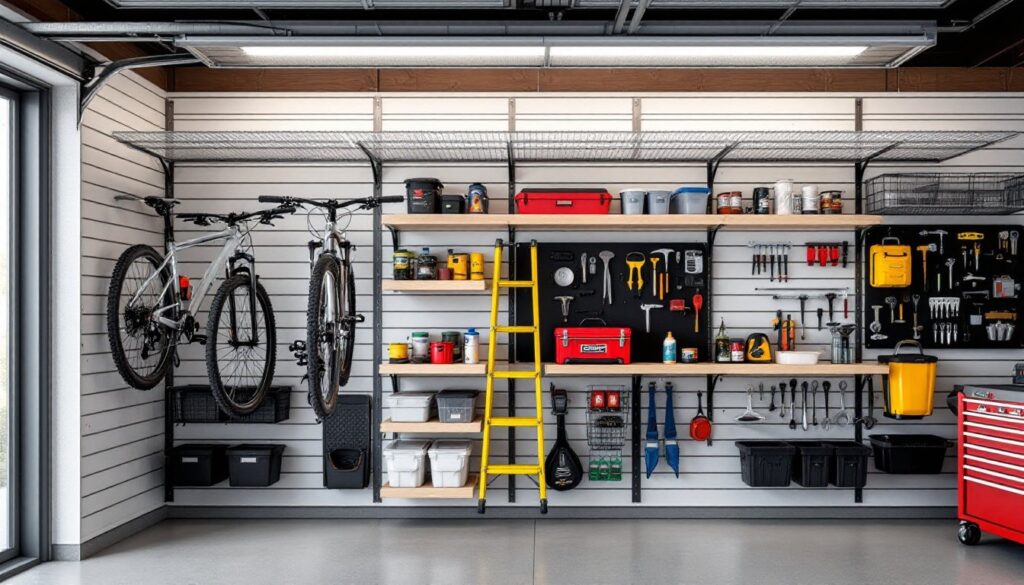
If you’ve spent any time browsing storage systems for your home, you’ve probably noticed a shift toward sleek, modular designs that maximize vertical space and adapt to different room layouts. Western Pacific-style storage solutions have gained traction among homeowners and DIYers for exactly that reason, they’re practical, flexible, and built to handle everything from garage clutter to tight closet spaces. Unlike fixed cabinetry or one-size-fits-all shelving, these systems use wall-mounted tracks, adjustable components, and durable materials designed for heavy use. They’re a good fit whether you’re organizing a single-car garage or reclaiming square footage in a studio apartment.
Table of Contents
ToggleKey Takeaways
- Western Pacific storage solutions use modular, wall-mounted systems with adjustable brackets and tracks that can free up 30–40% of floor space by moving items off the ground and onto walls.
- These flexible, durable systems are cheaper than custom cabinetry—a 10-foot slatwall setup costs $200–$500 compared to $2,000+ for built-in cabinets, and they’re backed by 10–25 year warranties.
- Proper installation requires locating studs and using appropriate anchors for your wall type; heavy-duty applications demand lag screws into studs or concrete anchors, not drywall anchors alone.
- DIY slatwall and track shelving projects can be completed with basic tools like a stud finder, level, and drill, following simple step-by-step installation to customize dimensions for any space.
- Maximize storage effectiveness by zoning items by use frequency, installing task lighting, using clear bins for visibility, and leaving room for future reconfiguration as your needs change.
What Are Western Pacific Storage Solutions?
Western Pacific storage solutions refer to modular, wall-mounted storage systems that originated from industrial and commercial applications on the West Coast. Think slatwall panels, heavy-duty track systems, and adjustable shelving designed to keep tools, sporting gear, and household items off the floor and within reach.
These systems typically include:
- Wall-mounted tracks or channels (often aluminum or steel)
- Adjustable brackets and hooks that slide along the track
- Shelving, bins, and specialty holders (bike racks, tool organizers, etc.)
- Modular panels (slatwall, pegboard, or gridwall)
The key difference from traditional shelving is flexibility. You can move hooks and shelves up or down without new drill holes, making it easy to reconfigure as your needs change. Most systems are rated for 50–200 pounds per linear foot, depending on the wall anchoring and track gauge.
Common materials include powder-coated steel (rust-resistant, good for garages), anodized aluminum (lighter weight, cleaner look), and high-density PVC slatwall (budget-friendly but lower weight capacity). Check the manufacturer’s load rating and confirm your wall can handle the fastener type, drywall anchors won’t cut it for heavy loads. You’ll want to hit studs or use blocking for serious weight.
Why Homeowners Are Choosing Western Pacific-Style Storage
The appeal comes down to three factors: space efficiency, adaptability, and clean aesthetics.
Vertical storage saves floor space. In a standard two-car garage, wall-mounted systems can free up 30–40% of floor area by relocating bins, tools, and seasonal gear to the walls. That’s room for an actual car, or a workbench.
Modularity beats fixed shelving. Life changes. Kids grow out of toys, hobbies rotate, and tools accumulate. With warehouse-style track systems, you’re not locked into a configuration. Swap a bike hook for a shelf in under five minutes.
Durability matters in high-use areas. Powder-coated steel and aluminum systems hold up better than particle board shelving in garages, basements, and mudrooms where humidity and temperature swings are common. Many systems carry 10–25 year warranties.
Professional look without custom pricing. Pre-engineered kits cost a fraction of built-in cabinetry. A 10-foot slatwall setup with shelves and hooks runs $200–$500 in materials, compared to $2,000+ for custom garage cabinets.
One note: installation isn’t always DIY-simple. Mounting heavy track systems requires locating studs (16″ or 24″ on center in most homes), drilling into concrete or masonry in some cases, and ensuring level installation across long spans. A laser level and stud finder are non-negotiable. If your walls are plaster or have metal studs, plan for extra anchoring hardware.
Best Western Pacific Storage Solutions for Small Spaces
Small-space storage requires vertical thinking and multi-function components. Here’s what works:
Slatwall panels in closets. Install 4×8 slatwall sheets on one closet wall. Use shelf brackets, hanging rods, and accessory hooks to create custom storage for shoes, bags, and folded items. Unlike wire shelving, slatwall lets you adjust heights without reinstalling brackets.
Overhead garage racks. Ceiling-mounted racks (typically 24″–48″ deep) hang from garage ceiling joists and hold seasonal items, camping gear, or bulk storage. Look for racks rated for 250–600 pounds depending on joist spacing and ceiling height. These are a game-changer in single-car garages where wall space is limited.
Narrow track systems in laundry rooms. A 12″–16″ deep track-and-shelf system fits over washers and dryers without blocking access. Use it for detergent, cleaning supplies, and folding space. Many designs from regional storage specialists include pull-down drying racks or fold-out ironing boards.
Corner solutions. Lazy Susans and corner carousel units waste less space than fixed shelves. Pair them with wall tracks for tools or pantry items. Corner brackets for slatwall systems let you wrap storage around two walls without dead zones.
Garage and Outdoor Storage Options
Garages and outdoor spaces need weather-resistant materials and heavy-duty mounting.
Gridwall for tools. Gridwall panels (welded wire grids) handle heavier tools than pegboard and resist sagging. Pair with S-hooks, basket holders, and magnetic tool bars. Install gridwall with French cleats or heavy-duty brackets into studs.
Bike and ladder hooks. Vertical bike hooks save floor space: horizontal racks work better for multiple bikes. Ladder hooks should mount to studs with 3″ lag bolts and support the ladder’s full weight plus a safety margin. Don’t trust drywall anchors here.
Weatherproof bins on open shelving. Use UV-resistant plastic bins on powder-coated wire shelving for outdoor storage. Avoid cardboard and untreated wood, moisture and pests will wreck them. Many modular storage approaches incorporate ventilated shelving to prevent mildew.
Workbench integration. Wall-mounted tool panels above a workbench keep frequently used tools within arm’s reach. Use slatwall or pegboard with tool holders, and leave 6–12″ clearance above the bench surface for workspace.
DIY Western Pacific Storage Projects You Can Build
Building your own system cuts costs and lets you customize dimensions to fit your space.
Materials list for a basic 8-foot slatwall system:
- Two 4×8 slatwall panels (3/4″ MDF or PVC)
- 1×3 or 1×4 furring strips (for mounting standoffs)
- 3″ construction screws (into studs)
- Slatwall hooks, shelves, and brackets
- Level, stud finder, drill, circular saw or table saw
Step-by-step installation:
- Locate studs with a stud finder. Mark each stud location along the wall.
- Cut furring strips to the height of your panels. Attach them vertically to studs using 3″ screws every 16″.
- Mount slatwall panels to the furring strips with 1-1/4″ screws every 12″ along each slat groove. The standoff gap (created by furring strips) allows hooks to engage properly.
- Check for level as you go. Shim behind furring strips if the wall isn’t plumb.
- Install accessories by sliding hooks and brackets into the grooves.
Safety note: Wear safety glasses when drilling overhead and a dust mask when cutting MDF slatwall (the dust is fine and irritating).
DIY track shelving:
Use aluminum or steel wall standards (vertical tracks) with adjustable brackets. These are sold at most home centers in 48″–96″ lengths.
- Mount standards to studs using the provided screws. Space them 16″–32″ apart depending on shelf load.
- Insert shelf brackets at the desired height.
- Cut shelves from 3/4″ plywood, melamine, or solid wood. Sand edges and apply edge banding if using plywood.
- Test weight capacity before loading. A 3/4″ plywood shelf on brackets 24″ apart handles roughly 50–75 pounds before noticeable sag.
Tool alternatives: a circular saw with a guide works for cutting panels, but a table saw gives cleaner edges. A miter saw isn’t necessary here unless you’re trimming furring strips to exact lengths.
For design inspiration and creative ways to customize storage components, IKEA enthusiasts often share hacks that adapt budget-friendly materials into custom storage solutions.
How to Maximize Your Home Storage with Western Pacific Systems
Getting the most from modular storage means planning layout, using vertical space, and grouping items by frequency of use.
Zone your space. Group similar items: sports equipment together, automotive supplies in one area, seasonal decor in another. Use labels on bins and shelf edges. This isn’t Pinterest-speak, it’s how you avoid tearing apart the garage looking for a single screwdriver.
Go vertical, then fill in. Start with ceiling racks and high shelves for rarely used items. Mid-height storage (waist to shoulder level) is prime real estate, put frequently used tools and supplies there. Low shelves and floor bins work for bulky, heavy items like bag concrete or paint cans.
Use clear bins and open shelving where practical. You’ll waste less time hunting if you can see contents. For items that need protection from dust or pests, use lidded bins.
Install task lighting. LED strip lights or rechargeable shop lights mounted under shelves make a huge difference in garages and basements. Many modern decluttering strategies emphasize good lighting as part of functional storage design.
Don’t forget depth. Shelves deeper than 16″ can hide items in the back. Use pull-out bins or turntables on deep shelves. In tight spaces, 12″ shelves prevent the black-hole effect.
Anchor properly. This bears repeating, wall anchors appropriate for your wall type and load are critical. Toggle bolts for hollow walls, concrete anchors for masonry, and lag screws into studs for heavy loads. Under-anchored systems fail, often at the worst possible time.
Leave room to grow. Don’t max out every inch of wall immediately. Leave a few open track slots or blank slatwall sections for future needs. Flexibility is the whole point.
For homeowners near the Pacific Northwest looking for region-specific solutions, consider moisture control in your design, dehumidifiers, ventilated shelving, and rust-resistant coatings are worthwhile in damp climates.
Finally, comprehensive home organization guides from trusted sources like Real Simple can provide additional strategies for maintaining organized spaces long-term.
Conclusion
Western Pacific storage solutions offer a practical, adaptable approach to home organization that works across garages, closets, and tight spaces. The combination of modular design, durable materials, and vertical efficiency makes these systems a solid investment for homeowners tackling clutter. Whether installing a commercial-grade slatwall system or building custom shelving with wall standards, proper anchoring and thoughtful layout will deliver years of reliable use.