Small living quarters don’t have to mean overflowing laundry baskets and clothes draped over every surface. Whether dealing with a studio apartment, a bedroom the size of a walk-in closet, or just insufficient built-in storage, the right approach can turn chaotic piles into organized systems. The key isn’t buying more bins, it’s using vertical space, hidden areas, and multi-purpose furniture strategically. This guide walks through proven storage solutions that work in tight quarters, from wall-mounted systems to furniture that pulls double duty. Each method addresses real-world space constraints without requiring a complete renovation or a professional installer.
Table of Contents
ToggleKey Takeaways
- Small space clothing storage ideas succeed through vertical organization, hidden storage, and multi-purpose furniture rather than buying more bins or requiring renovations.
- Wall-mounted rods, pegboard systems, and over-the-door organizers maximize vertical space and keep frequently worn items accessible without consuming floor area.
- Under-bed storage with risers and rolling bins can provide 10 to 15 cubic feet of capacity, making it ideal for seasonal clothing and bulky items like winter sweaters.
- Double-hang closet rods and adjustable shelving systems instantly double storage capacity in tight quarters while slim velvet hangers fit twice as many garments as standard plastic hangers.
- Multi-functional furniture like wardrobes, ottomans with storage, and platform beds with drawers serve dual purposes and are essential for making small living spaces functional without clutter.
- Renters can use tension rods, removable shelving, and freestanding organizers to implement effective storage solutions without damaging walls or violating lease agreements.
Why Smart Clothing Storage Matters in Small Spaces
Clothing storage consumes more square footage than most people realize. The average adult owns between 80 to 120 items of clothing, and each piece needs somewhere to land. In small spaces, poor storage doesn’t just look messy, it wastes usable floor area, creates tripping hazards, and makes it harder to find what’s needed when getting dressed.
Effective storage in confined areas requires intentional planning. Unlike spacious homes where a walk-in closet can hide disorganization, small spaces demand systems that keep items visible, accessible, and contained. The goal is to reduce visual clutter while maintaining function, which means every storage solution needs to earn its footprint.
Many renters and homeowners assume they need more space when they really need better organization. Before adding furniture or buying storage products, assess what’s actually being stored and how often it’s used. Seasonal items, rarely-worn formal wear, and sentimental pieces can often be stored elsewhere, freeing up prime real estate for daily essentials.
Vertical Storage Solutions to Free Up Floor Space
When floor space is limited, the walls become prime storage territory. Vertical solutions move clothing storage upward, leaving walkways clear and making rooms feel larger.
Wall-Mounted Rods and Hanging Systems
Wall-mounted clothing rods installed at varying heights create tiered hanging space without a traditional closet frame. Use 1-inch diameter steel rods or heavy-duty dowels secured to wall studs with flanges rated for at least 50 pounds. Most clothing rods span 3 to 4 feet before needing center support.
For renters or those avoiding wall damage, tension rods work between opposing walls if the span is under 6 feet. Industrial pipe systems offer adjustable configurations, mount 3/4-inch black iron pipe to wall-mounted flanges, creating custom-height rods that handle heavy winter coats.
Pegboard systems provide flexible hanging for accessories and lightweight garments. Install 1/4-inch pegboard over 1-inch furring strips to create clearance for hooks. Paint it to match the wall, then add metal hooks for bags, scarves, and belts. Dedicated hanging solutions for creative storage solutions for small apartments often incorporate similar vertical strategies.
Over-the-Door Organizers and Hooks
Door real estate is frequently underused. Over-the-door organizers come in fabric pockets, metal racks, and clear vinyl styles. Choose models with padded hangers to prevent door damage and ensure the door can still close fully.
For solid-core doors, screw-mounted hooks handle more weight than over-the-door versions. Space hooks 6 to 8 inches apart and position them at comfortable reach heights. Coat hooks rated for 10 to 15 pounds each work for jackets, robes, and bags.
Wall-mounted hook rails running alongside doors or in hallways create drop zones for daily-wear items. Install them 60 inches from the floor for adult use, lower for kids’ rooms. Many homeowners find that implementing stylish storage solutions means blending function with visual appeal on visible walls.
Under-Bed and Hidden Storage Hacks
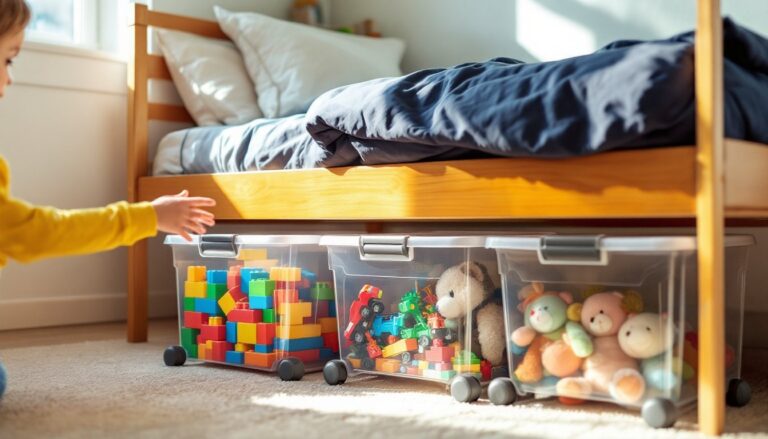
The space beneath a bed typically offers 10 to 15 cubic feet of storage, depending on bed height and frame design. Standard bed frames sit 7 to 10 inches off the floor: raising them to 12 to 14 inches with bed risers creates room for larger bins.
Rolling underbed storage bins with low-profile lids slide out easily on hard floors. Look for containers 5 to 6 inches tall to fit under most beds without lifting the frame. Cedar-lined boxes protect wool and natural fibers from moths, while clear plastic bins make contents visible.
Vacuum-sealed bags compress bulky items like winter sweaters and comforters to half their original volume. Use them for seasonal clothing rotations, but avoid long-term compression of down or leather, which can permanently crease.
Platform beds with built-in drawers eliminate the need for separate storage furniture. These typically feature 2 to 4 drawers on full-extension slides, providing organized compartments instead of a single open cavity. If building a DIY platform, use 3/4-inch plywood for the base and install soft-close drawer slides rated for 75 to 100 pounds.
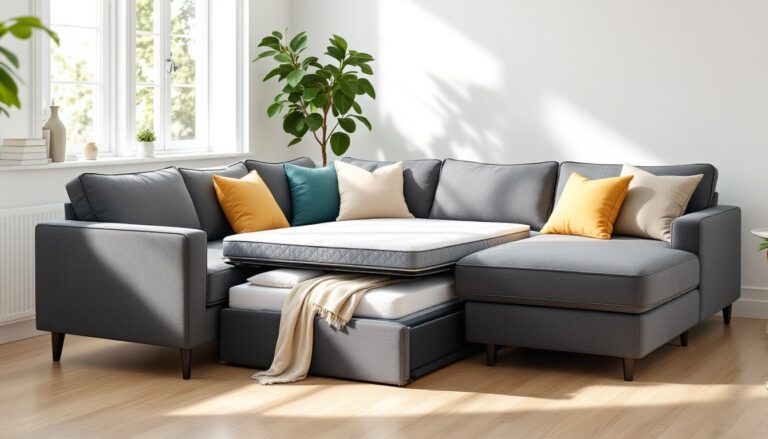
Ottomans and storage benches placed at the foot of the bed offer seating plus hidden storage. Choose models with lift-top lids and interior dimensions of at least 24 x 18 inches for meaningful capacity. Hobbyists who enjoy creative IKEA modifications often transform basic benches into custom storage pieces.
Multi-Functional Furniture for Clothing Storage
In tight quarters, every piece of furniture needs to serve multiple purposes. Single-function items consume space without adding enough value.
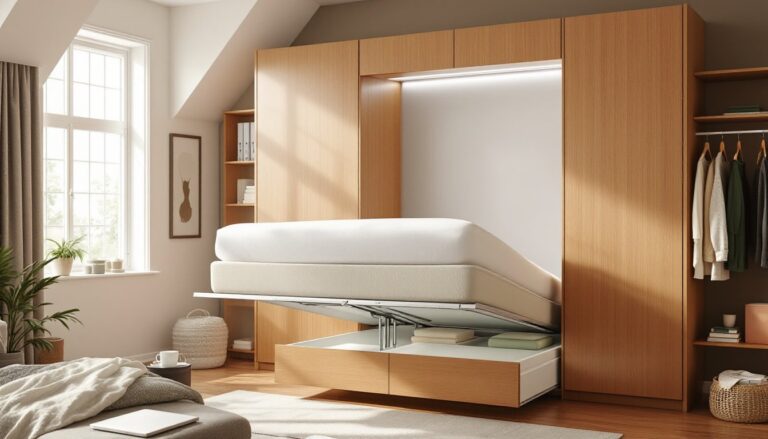
Wardrobes and armoires function as freestanding closets when built-ins don’t exist. Standard wardrobe depths run 24 inches, providing enough clearance for hangers plus a few inches of breathing room. Look for models with adjustable shelving and a hanging rod, some include interior drawers for folded items.
When choosing an armoire, measure doorways and hallways first. Many large pieces don’t fit through standard 30 to 32-inch door openings and must be assembled in place.
Storage ladders lean against walls and offer rungs or shelves for draped clothing, blankets, or accessories. They occupy minimal floor space, typically a 2-foot by 2-foot footprint, while creating visual interest. Ensure the ladder angle is stable, around 75 to 80 degrees, to prevent tipping.
Trunks and vintage suitcases stacked in corners provide both storage and decor. Line interiors with cedar blocks or lavender sachets to keep stored clothing fresh. Place heavier trunks on bottom, lighter cases on top, and avoid stacking more than three high without securing them.
Room dividers with built-in storage separate spaces while adding function. Bookshelf-style dividers can hold folded clothes in fabric bins, and some designs include hanging rods on the reverse side. Install them perpendicular to walls to create distinct zones in studios or shared bedrooms.
Those interested in budget-friendly makeovers and DIY furniture projects often repurpose existing pieces, converting bookcases into clothing cubbies or adding casters to dressers for mobility.
Closet Organization Systems That Work in Tight Quarters
Even small closets can hold more with the right internal structure. Standard builder-grade closets waste space with a single rod and shelf configuration.
Double-hang rods instantly double capacity for shirts, pants, and skirts. Mount the top rod at 80 inches from the floor and the lower rod at 40 inches. Use the upper rod for out-of-season items or less-worn pieces, keeping daily essentials at the lower, easier-to-reach level.
Adjustable closet systems with vertical standards and movable brackets adapt to changing needs. Brands like ClosetMaid and Rubbermaid offer wire shelving kits starting around $60 to $100 for a 4-foot section, though prices vary by region and finish. Wire shelving allows air circulation, reducing mustiness in enclosed spaces.
For solid shelving, use 3/4-inch melamine or plywood cut to fit the closet width. Support shelves every 32 to 36 inches with brackets or vertical dividers to prevent sagging under the weight of folded jeans and sweaters.
Shelf dividers keep stacked clothing from toppling. Acrylic or wire dividers slide over shelves, creating compartments 8 to 12 inches wide, perfect for separating t-shirt stacks or folded pants by color or season.
Hanging organizers with cubbies turn vertical space into folded-item storage. Look for 6 to 9-shelf versions made from breathable fabric. These work well for shoes, accessories, or workout gear.
Slim velvet hangers take up half the width of plastic or wooden hangers, fitting more garments per linear foot. A standard closet rod holds about 40 plastic hangers or 80 velvet hangers in a 4-foot span.
Closet doors themselves offer storage potential. Mount narrow spice-rack-style shelves on the interior for shoes, or attach hooks for belts and ties. Ensure added weight doesn’t strain door hinges: standard hinges support doors up to 25 pounds, while heavy-duty hinges handle 35 to 50 pounds.
Renters should check lease agreements before installing permanent systems. Tension-mounted shelving and freestanding closet organizers offer similar benefits without drilling. Small space storage guides often highlight removable solutions for temporary living situations.