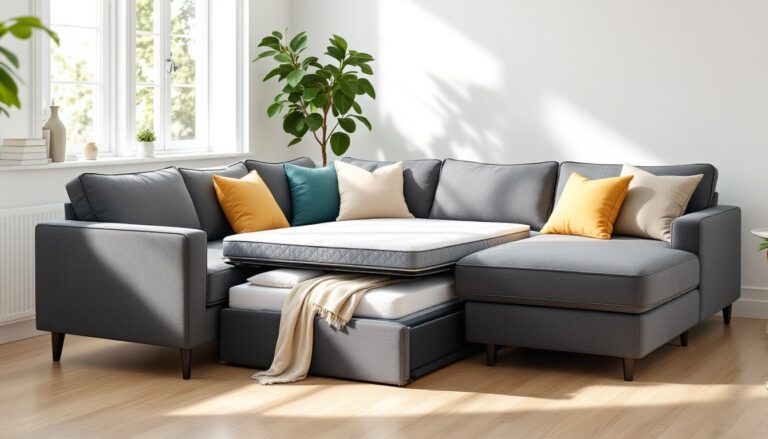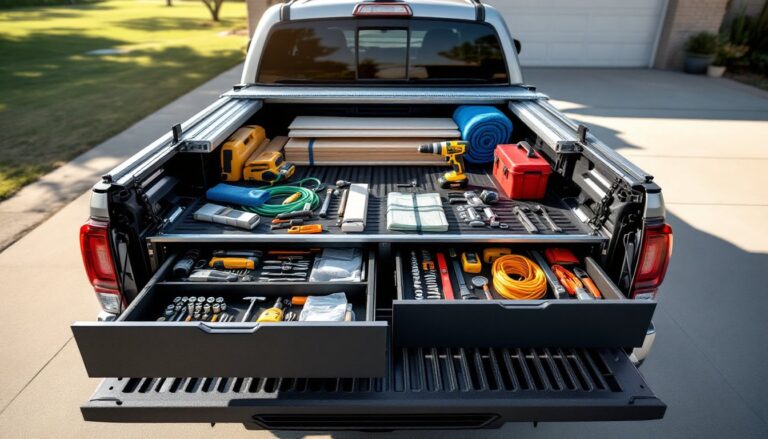
Homes have a way of accumulating stuff faster than closets can handle it. Sports gear, seasonal decorations, workshop overflow, and boxes of “I might need this someday” all compete for square footage. Whether someone’s dealing with a cramped garage, a packed attic, or rooms that feel smaller by the week, smart storage unit solutions can reclaim usable space and restore order. This guide walks through choosing the right storage setup, building custom DIY options, and organizing units efficiently, with practical tips that work for real-world clutter, not just magazine spreads.
Table of Contents
ToggleKey Takeaways
- Effective storage unit solutions reclaim usable home space, improve safety by clearing pathways and reducing hazards, and boost property value by signaling a well-maintained home.
- Indoor storage options like closet systems, under-stair drawers, and attic plywood floors maximize vertical space, while garage systems including slatwall panels and overhead racks handle heavier loads when properly secured to studs.
- Custom DIY storage projects such as rolling under-bed bins, pegboard tool walls, and floating shelves cost significantly less than furniture alternatives and adapt easily to unique space challenges.
- Organization success requires zoning by use frequency, replacing cardboard with labeled clear plastic bins, implementing vertical storage to multiply capacity, and maintaining an inventory spreadsheet to prevent duplicate purchases.
- Common storage failures including overloading shelves, ignoring weight distribution, skipping ventilation, and poor labeling can be prevented by using quality materials, adding airflow holes, being specific with labels, and maintaining clear walkways for accessibility.
Why Effective Storage Solutions Matter for Your Home
Clutter doesn’t just look bad, it actively disrupts daily life. When hallways become obstacle courses and garages can’t fit cars, the home stops functioning as intended. Effective storage reclaims square footage, protects belongings from damage, and reduces time wasted hunting for misplaced items.
Safety is another factor often overlooked. Stacks of boxes in basements or garages create tipping hazards, block emergency exits, and can hide mold or pest problems. Proper storage keeps pathways clear and items elevated off floors prone to dampness.
Property value also benefits from organized spaces. Real estate agents consistently note that buyers judge homes harshly for cluttered garages, packed closets, and chaotic basements. A well-organized storage system signals that a home has been maintained and offers functional living space.
Finally, targeted storage extends the life of belongings. Storing tools in climate-controlled conditions prevents rust, keeping holiday decorations in sealed bins protects them from pests, and vertical basement storage solutions keep items dry during minor flooding. The upfront investment in quality storage pays off in preserved belongings and peace of mind.
Choosing the Right Storage Unit for Your Needs
Indoor Storage Unit Solutions
Indoor storage targets climate-sensitive items and frequently accessed belongings. Closet systems with adjustable shelving and double-hang rods maximize vertical space, most bedroom closets waste the upper 30 inches. Install systems with 16-inch-deep shelves for linens and 12-inch for shoes: anything deeper becomes a black hole.
Under-stair storage transforms dead space into functional cubbies. This often requires custom carpentry: pull-out drawers on full-extension slides work best for deep triangular voids. Frame openings with 2×4 studs on 16-inch centers if cutting into drywall, and consider hiring a contractor if removing structural elements, load-bearing concerns aren’t DIY-friendly.
Attic storage works for long-term items but comes with caveats. Most attics have ceiling joists rated for 10 pounds per square foot live load, fine for insulation, not for a library. Add ¾-inch tongue-and-groove plywood over joists to distribute weight and create a walking surface. Never block soffit vents or bury electrical junction boxes, both code violations in most jurisdictions.
For rooms needing flexible storage, modular shelving units (metal or wood) adapt as needs change. Look for units rated to hold 50-75 pounds per shelf and anchor tall units to wall studs with L-brackets to prevent tip-overs, a critical safety step if kids are around.
Outdoor and Garage Storage Options
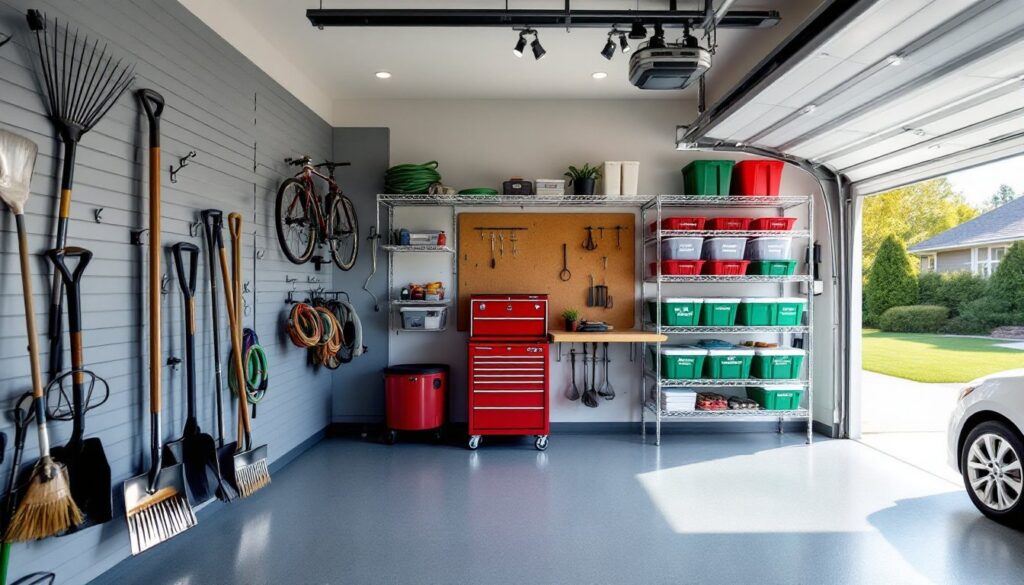
Garage wall systems with slatwall panels or pegboard turn vertical surfaces into storage workhorses. Slatwall handles heavier loads (up to 100 pounds per linear foot when properly backed) and adjusts easily: pegboard works for lighter tools but needs ¼-inch hardboard backing to prevent sagging.
Overhead garage storage racks capitalize on ceiling height. Mount racks to ceiling joists (not just drywall) using lag bolts, and stick to racks rated for the actual load, most DIY racks handle 300-600 pounds when properly installed. Maintain at least 16 inches of clearance from the garage door’s full-open position.
Outdoor storage sheds suit yard equipment, seasonal items, and anything that can tolerate temperature swings. Build sheds on a gravel base with landscape fabric to prevent weed growth and moisture wicking, or pour a 4-inch concrete pad with #4 rebar for permanent structures. Many municipalities require permits for sheds over 120 square feet, check local codes before buying materials.
Deck boxes and weather-resistant cabinets offer quick outdoor storage for cushions, grilling tools, and pool supplies. Look for UV-resistant resin with lockable lids and ventilation holes to prevent mildew. Position boxes on level ground or patio pavers to avoid warping.
Creative DIY Storage Unit Ideas
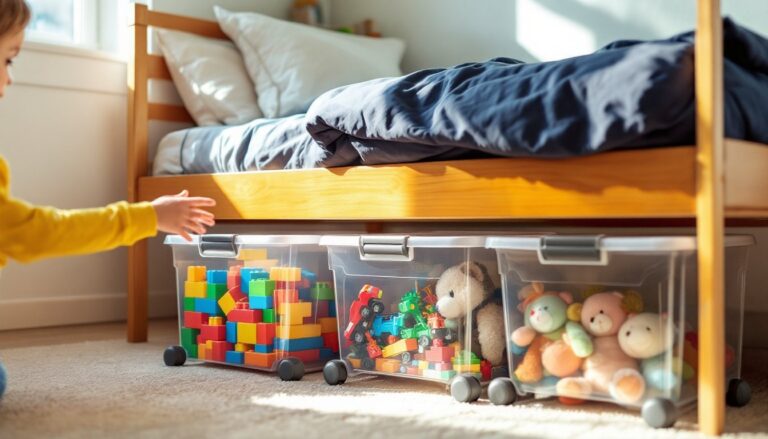
Building custom storage doesn’t require a cabinet shop. Rolling under-bed storage bins made from ¾-inch plywood and 2-inch locking casters slide easily on hard floors or low-pile carpet. Cut plywood to fit the bed frame’s footprint minus 2 inches on all sides, add 1×4 pine sides, and finish with low-VOC polyurethane.
Pegboard tool walls keep workshops organized. Back pegboard with 1×2 furring strips screwed into studs every 16 inches, creating a ½-inch gap for hook insertion. Paint with semi-gloss latex for easy cleaning, and outline tools with marker or vinyl tape so misplaced items are obvious.
Floating shelves built from 2×10 or 2×12 lumber provide sturdy display storage. Use hidden bracket systems (heavy-duty steel rods inserted into routed holes) for a clean look, or opt for traditional L-brackets rated for 50+ pounds each. Always hit at least two wall studs per shelf and predrill screw holes to prevent splitting.
PVC pipe organizers corral long items like fishing rods, garden tools, or lumber scraps. Cut 4-inch PVC into 12-inch sections, mount to garage walls with U-clamps, and angle slightly upward to prevent items from sliding out. This setup costs under $20 and installs in an afternoon.
For creative modifications to existing furniture, enthusiasts often turn to storage hacks that repurpose modular shelving into custom solutions. These projects demonstrate how standard components can adapt to unique space challenges with minimal tools.
Organizing Your Storage Unit Like a Pro
Good organization starts with zoning, group items by use frequency. Place everyday items at eye level, seasonal gear overhead or in back corners, and long-term storage in the least accessible spots. This applies whether organizing a kitchen corner cabinet or a full garage bay.
Clear plastic bins beat cardboard every time. Cardboard attracts pests, absorbs moisture, and collapses under weight. Use 18-gallon bins with latching lids for most applications: they stack six high without crushing and fit standard shelving. Label all four sides with a permanent marker or label maker, contents become visible from any angle.
Vertical storage multiplies capacity. Install wall-mounted shelving up to 7 feet high (the limit most people can comfortably reach) and use a step stool for higher access. For garages, ceiling-mounted platforms handle bins of holiday decorations or camping gear, freeing floor space for vehicles.
Inventory systems prevent duplicate purchases and lost items. A simple spreadsheet listing bin numbers and contents works for most households. Include purchase dates for warranty tracking and note location for items split across multiple storage areas.
Many professional organizers recommend approaches detailed in storage solutions guides that emphasize labeling systems and bin rotation schedules. These strategies minimize the “out of sight, out of mind” trap that defeats most storage efforts.
Climate considerations matter for long-term storage. Basements and garages experience temperature swings and humidity that damage electronics, photos, and fabrics. Use desiccant packs in bins with moisture-sensitive items, avoid storing anything irreplaceable in unfinished basements, and keep items off concrete floors with pressure-treated 2×4 rails or plastic pallets.
Common Storage Unit Mistakes to Avoid
Overloading shelves is the most common DIY failure. Standard pine or MDF shelving longer than 36 inches sags under weight. Use ¾-inch plywood for spans up to 48 inches, or add a center support bracket every 32 inches. Industrial wire shelving handles 250-350 pounds per shelf when weight is evenly distributed, keyword being evenly.
Ignoring weight distribution leads to collapsed systems. Place heavy items on lower shelves and distribute weight across the shelf’s length rather than concentrating it in the center. Wall anchors matter too, toggle bolts in drywall hold 50+ pounds each, but for shelving over 100 pounds total, hit wall studs with 3-inch wood screws.
Skipping ventilation creates mold farms. Enclosed storage needs air circulation, especially in humid climates. Add ventilation holes to cabinet doors (1-inch holes with mesh screens prevent pests), leave gaps between bins and walls, and avoid wrapping items in plastic, cotton drop cloths or breathable garment bags work better.
Poor labeling defeats the purpose of storage. “Miscellaneous” or “Stuff” labels help nobody. Be specific: “Holiday, Thanksgiving platters” or “Camping, sleeping bags and tarps.” Include dates for perishables like paint (latex paint lasts 2-10 years sealed) or batteries.
Neglecting pest prevention costs more in damaged goods than prevention efforts. Store fabrics and paper in sealed plastic bins, elevate everything at least 6 inches off garage or basement floors, and add cedar blocks or lavender sachets as natural deterrents. Check stored items seasonally for signs of mice, insects, or moisture damage.
Finally, forgetting accessibility creates frustration. Don’t stack items you’ll need soon behind things you won’t touch for months. Leave 18-24 inches of clearance in walkways, enough to move bins or navigate with a dolly. Homeowners exploring stylish storage for small spaces often discover that accessibility and aesthetics work together when systems are thoughtfully planned.
For general home organization principles that prevent storage mistakes before they happen, resources at The Spruce offer room-by-room strategies that complement physical storage builds. These approaches address the planning phase that determines whether storage systems actually get used or become expensive clutter themselves.